An atrial septal defect occurs when the natural wall between two heart chambers doesn’t fully develop. When this problem causes symptoms, you need to see the exceptional team at Florida Heart, Vein and Vascular Institute. After performing heart diagnostics like an echocardiogram, they determine the severity of the defect and, if needed, perform an atrial septal defect closure. Call the office in Zephyrhills, Lakeland, Wesley Chapel, Plant City, or Riverview, Florida, or connect online today to schedule a heart evaluation.
An atrial septal defect is a heart condition that occurs before birth when the wall between the heart’s two upper chambers (right and left atria) doesn’t develop properly. If the defect remains after birth, it’s called an atrial septal defect.
In a healthy heart, blood never passes between the upper chambers. The lack of a wall lets blood move freely between the right and left atria, and that can lead to health complications.
The only way to repair the problem and restore healthy circulation is with an atrial septal defect closure.
Without the atrial wall, blood usually starts flowing from the left atria to the right. As a result, the right side enlarges, and that increases pressure in the lungs.
The increasing lung pressure changes the flow between the upper chambers, and blood starts moving from the right side to the left. This shift lets blood bypass the lungs, sending oxygen-poor blood instead of oxygen-rich blood to your body.
Your baby may not have symptoms if the hole is tiny and doesn’t cause problems. If that happens, they can grow into adulthood before symptoms appear.
At any age, an atrial septal defect may cause:
During a routine physical exam, your physician may hear an unusual whooshing sound when listening to your heart.
An atrial septal defect closure is an interventional procedure performed using a catheter (long, slim tube). Your Florida Heart, Vein and Vascular Institute provider creates a small puncture over a vein in your groin and inserts a catheter.
Using real-time X-rays or an echocardiogram to see the catheter, your provider threads it through your blood vessels to the heart and places it where the wall should be. For the final step, they close the opening by sending a device through the catheter and securing it between the two chambers.
Your heart tissues gradually grow around the closure device, turning it into a permanent part of your heart.
Call Florida Heart, Vein and Vascular Institute or book an appointment online today if you have symptoms, need diagnostic testing, or want to learn more about an atrial septal defect closure.
We offer comprehensive diagnostic and preventive heart and vein care, ensuring every patient receives accurate evaluation and effective treatment.
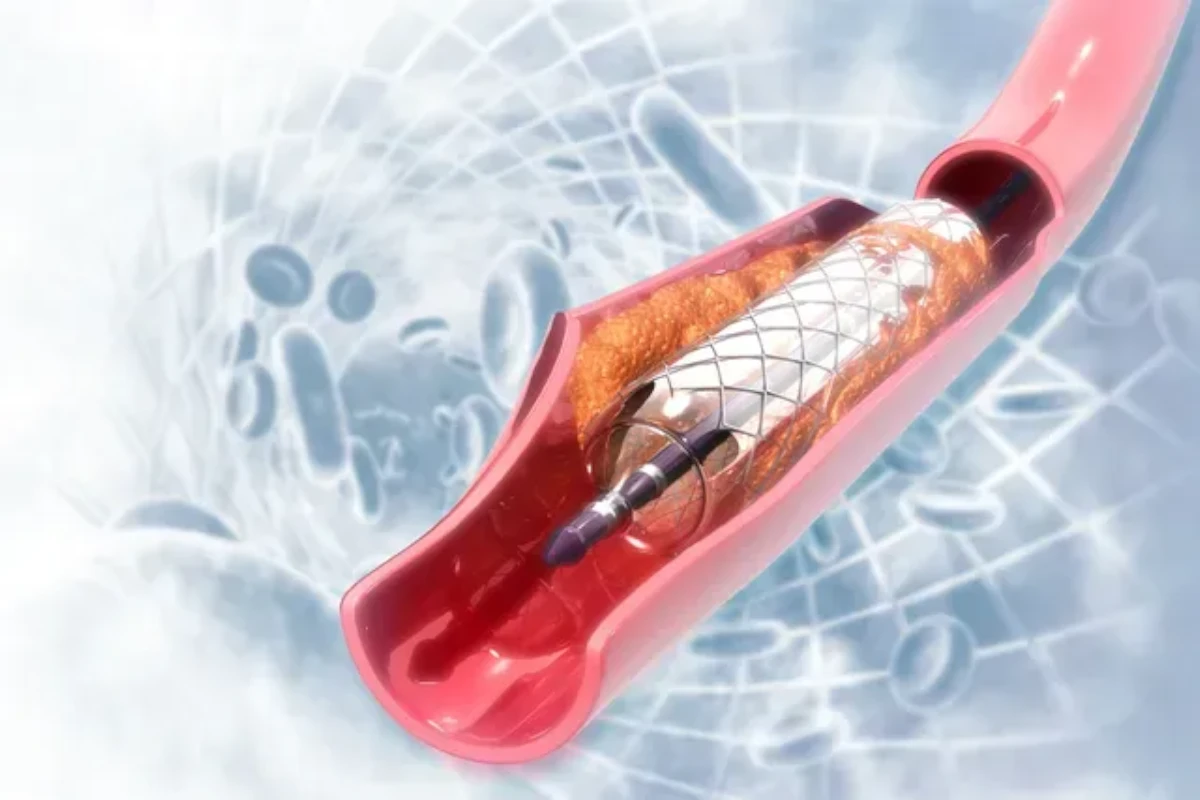
We specialize in minimally invasive procedures that open blocked arteries and restore proper blood flow, improving heart function and patient outcomes.
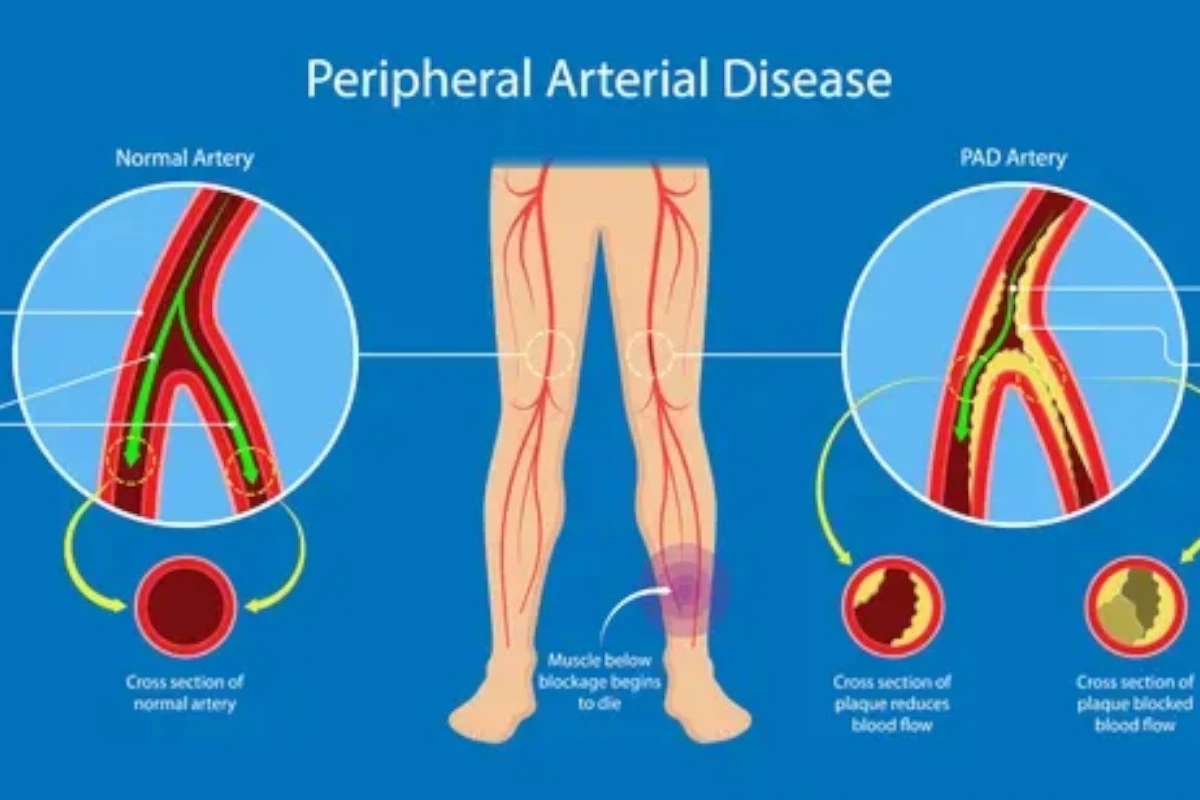
Our experts diagnose and treat narrowed or blocked vessels outside the heart, enhancing circulation and reducing pain in the legs and extremities.
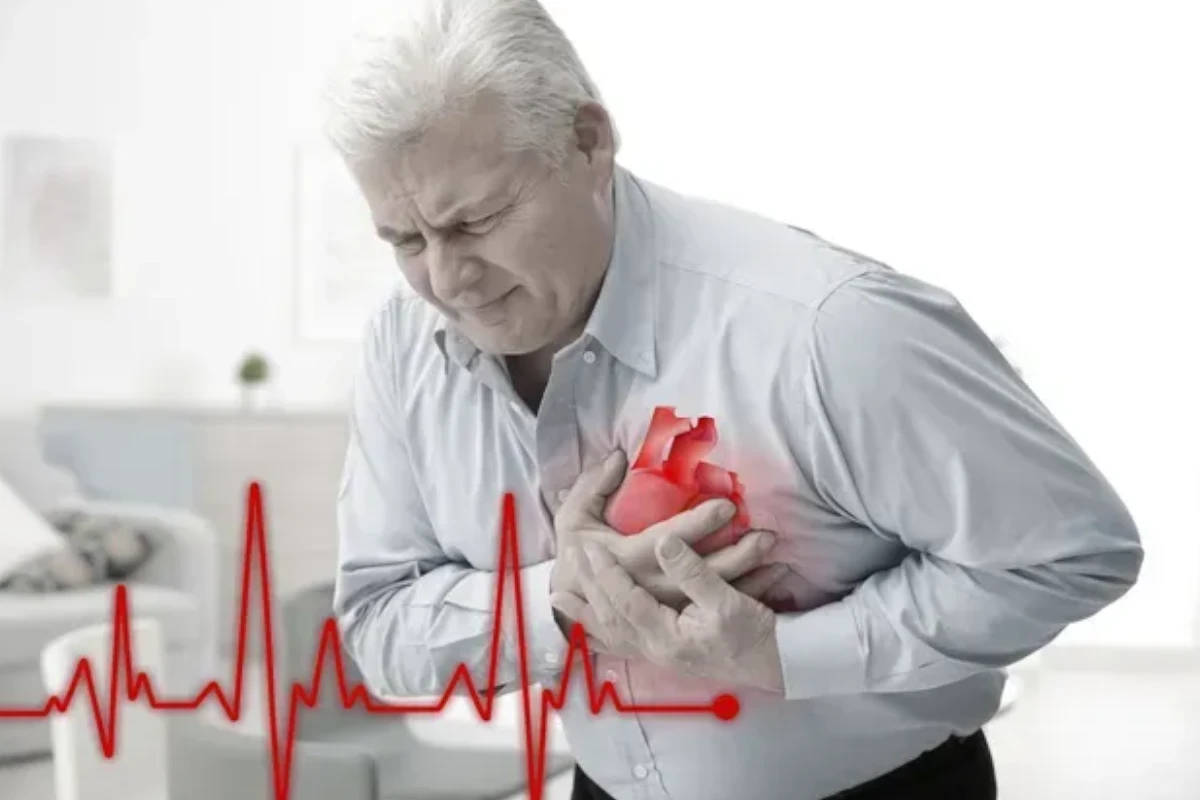
We provide advanced care to manage plaque buildup in coronary arteries, improving oxygen flow to the heart and preventing serious cardiac events.
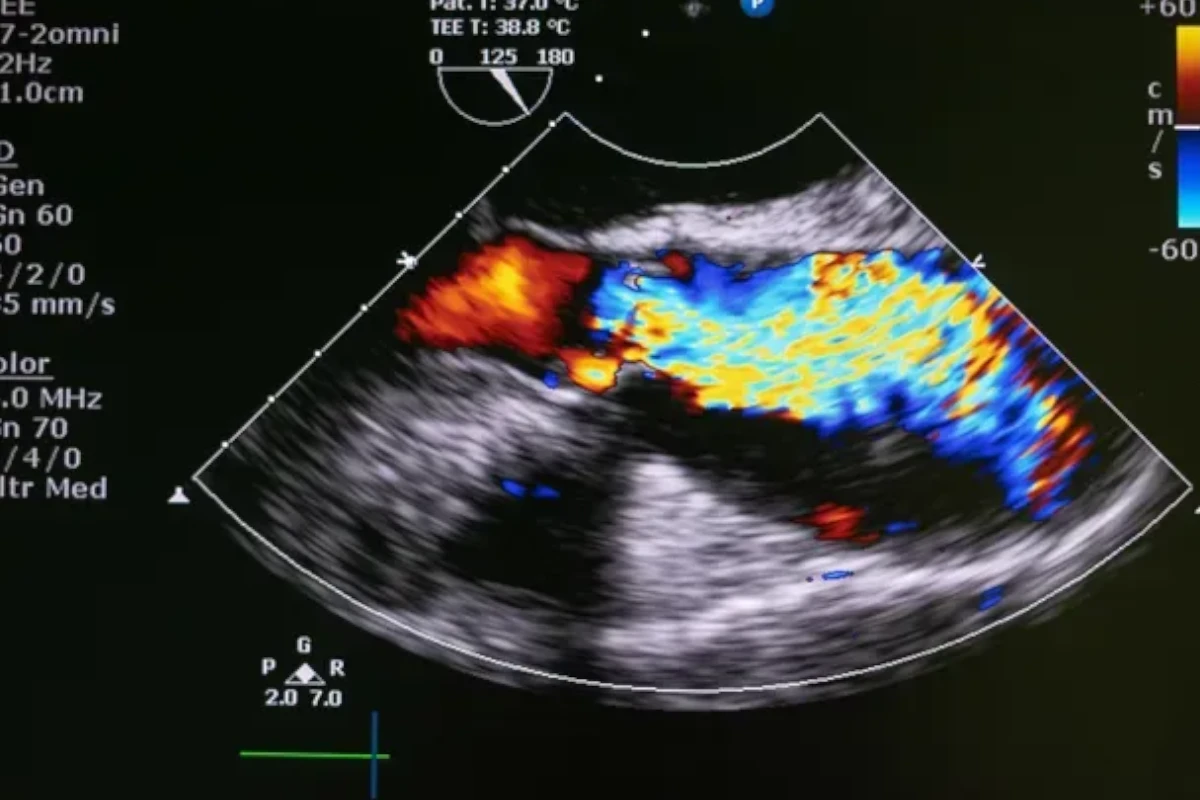
Our specialists assess and treat valve disorders to restore normal heart rhythm and ensure efficient blood flow throughout the cardiovascular system.
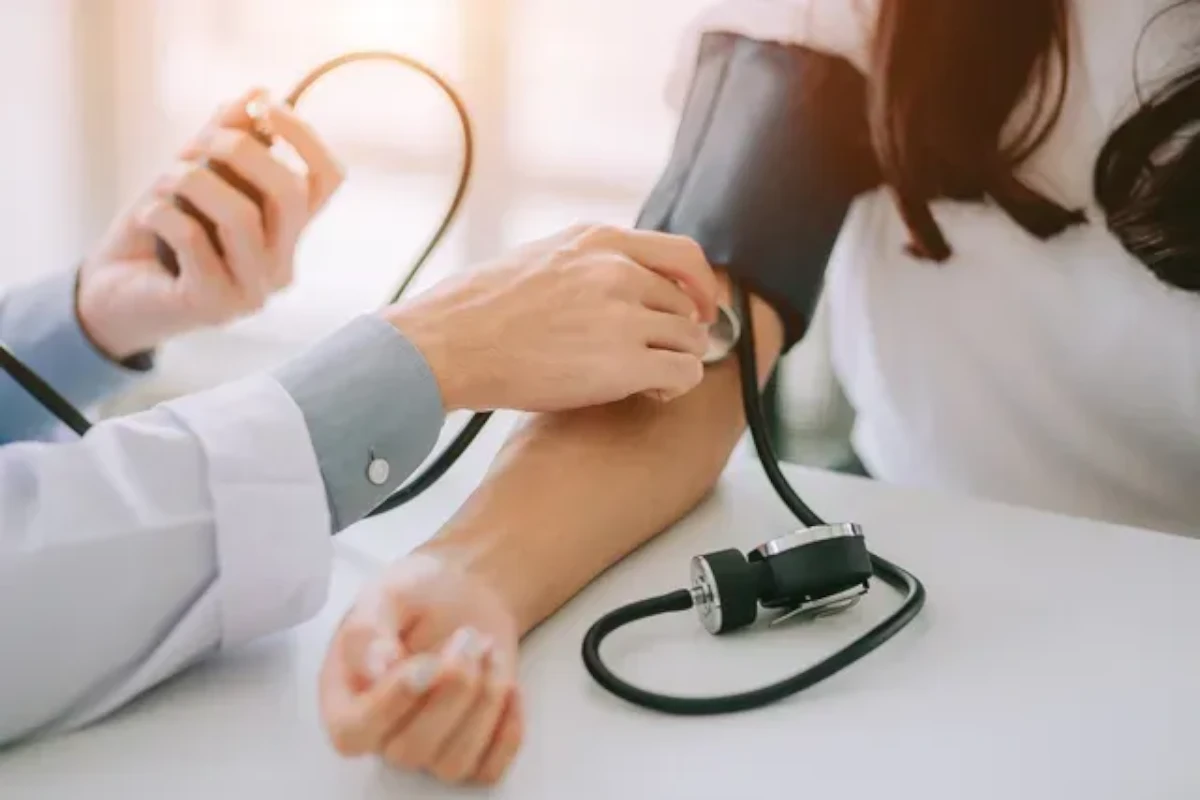
We offer personalized management for high blood pressure through medication, diet, and lifestyle adjustments to protect your heart and arteries.
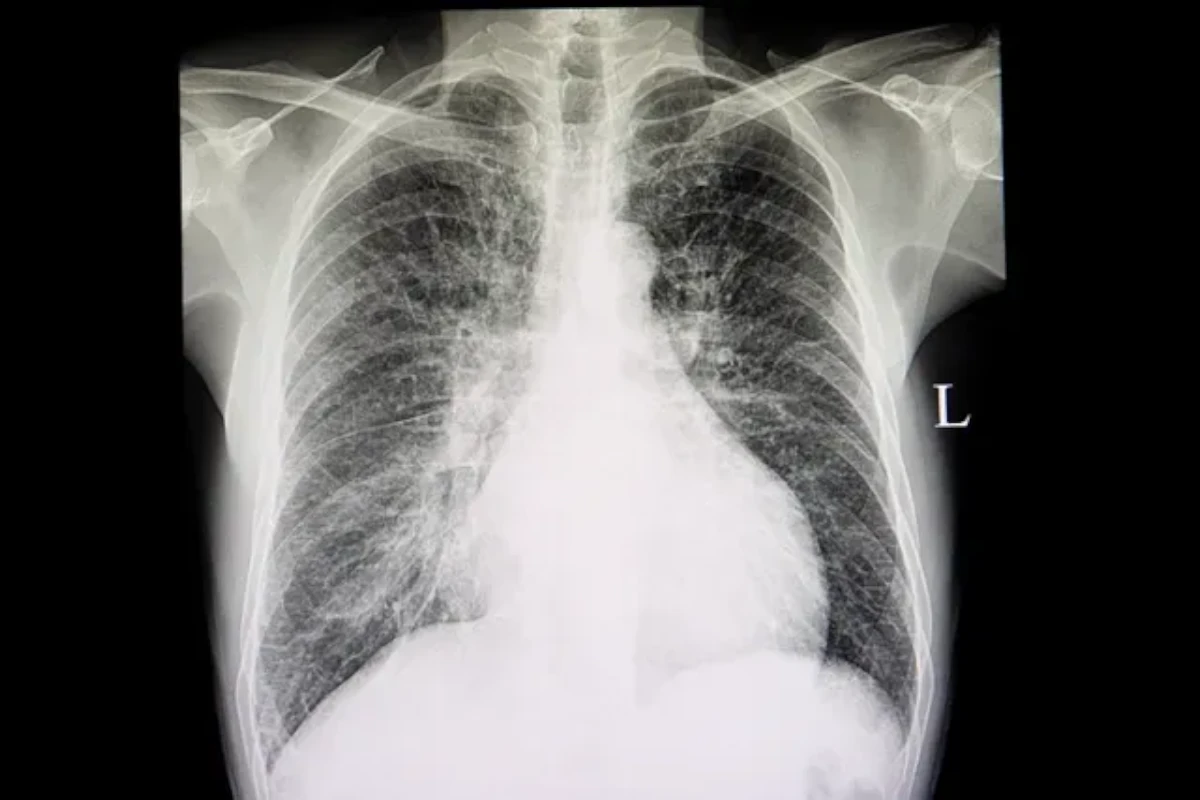
Comprehensive treatment plans help strengthen heart function, reduce symptoms, and improve quality of life for patients with heart failure.
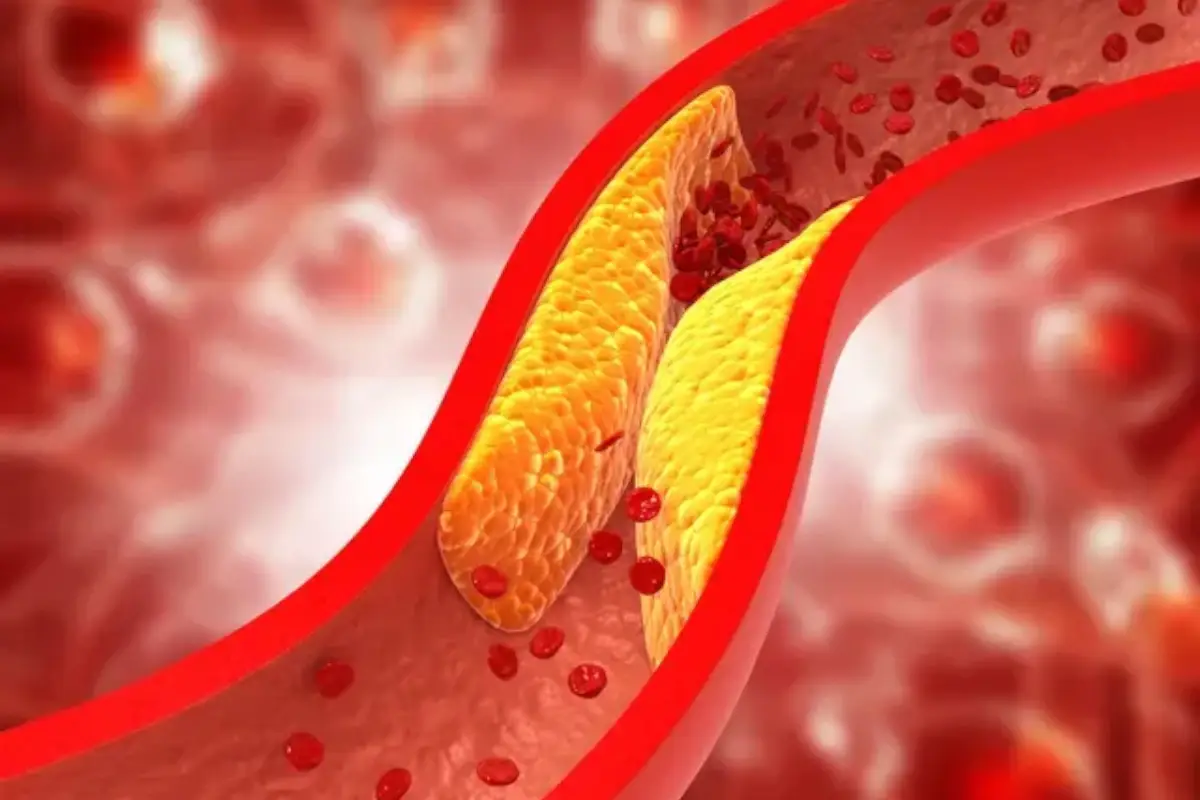
We focus on preventing heart disease through cholesterol management programs that combine medication, nutrition counseling, and lifestyle coaching.
Our team evaluates irregular or rapid heartbeats with advanced diagnostic tools to identify causes and develop effective treatment strategies.
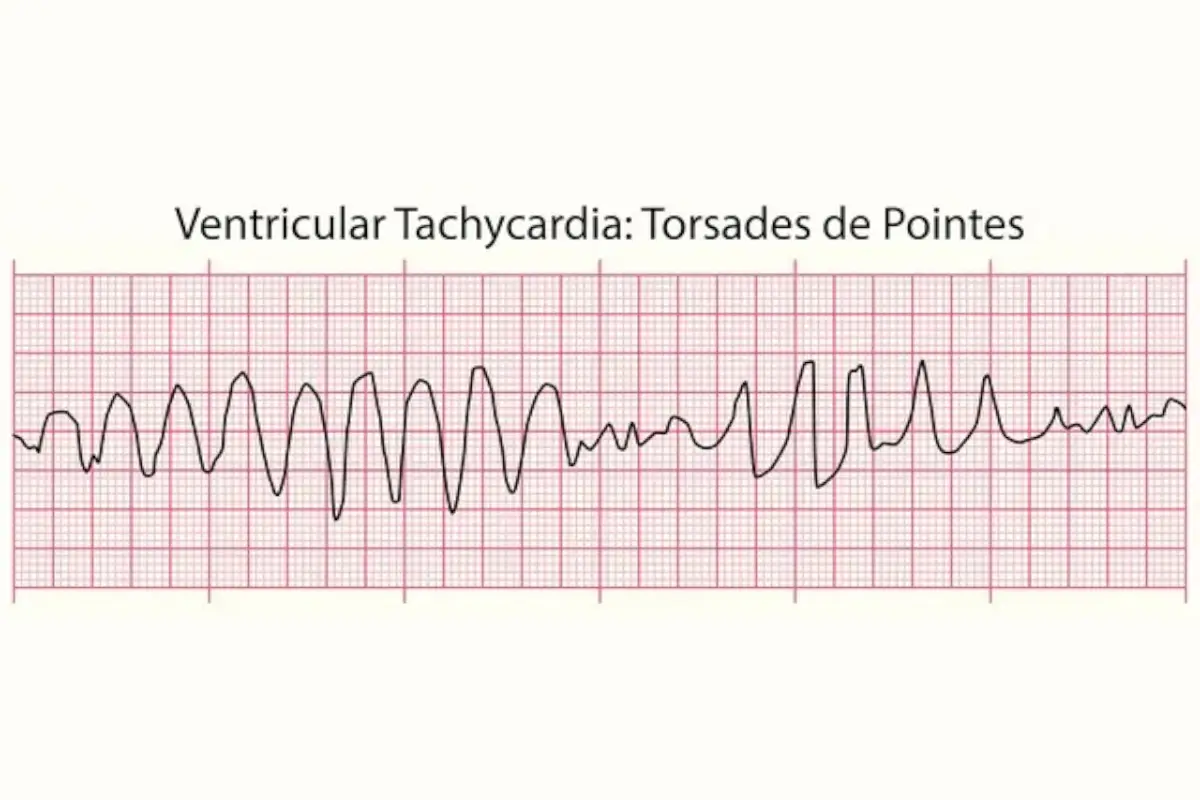
We diagnose and manage heart rhythm abnormalities using state-of-the-art monitoring and therapies that help maintain a steady, healthy heartbeat.
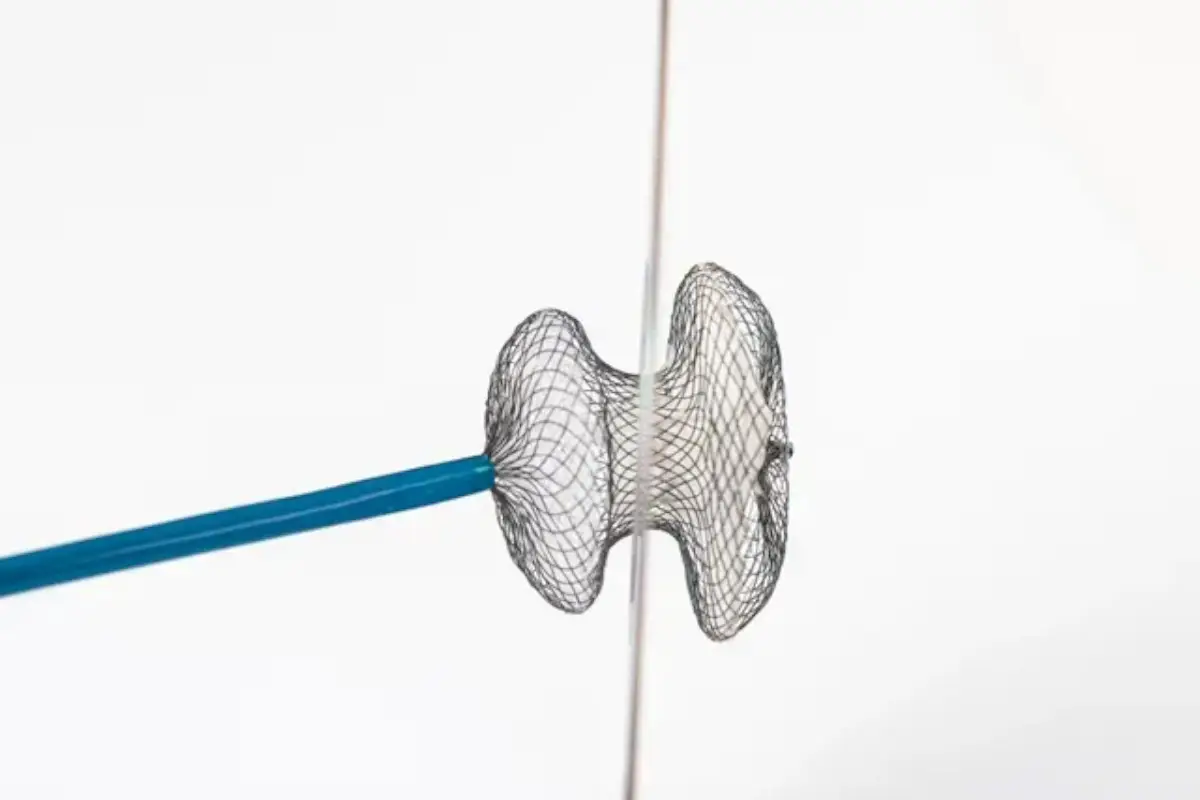
We offer cutting-edge care for atrial fibrillation, using medication and minimally invasive procedures to restore normal rhythm and prevent stroke.

Our specialists investigate fainting episodes to determine underlying cardiovascular causes and provide treatment to prevent future occurrences.
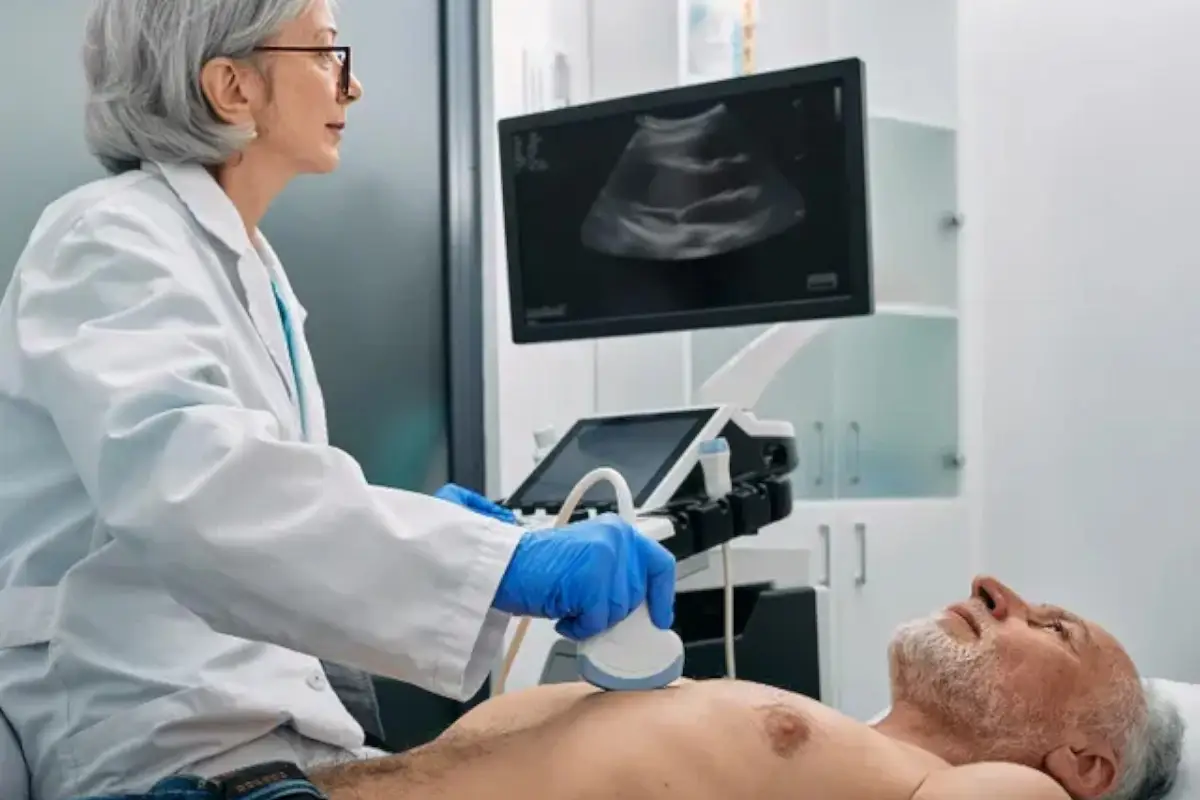
This non-invasive ultrasound test gives detailed images of your heart’s structure and function, helping us assess heart health and detect conditions early.
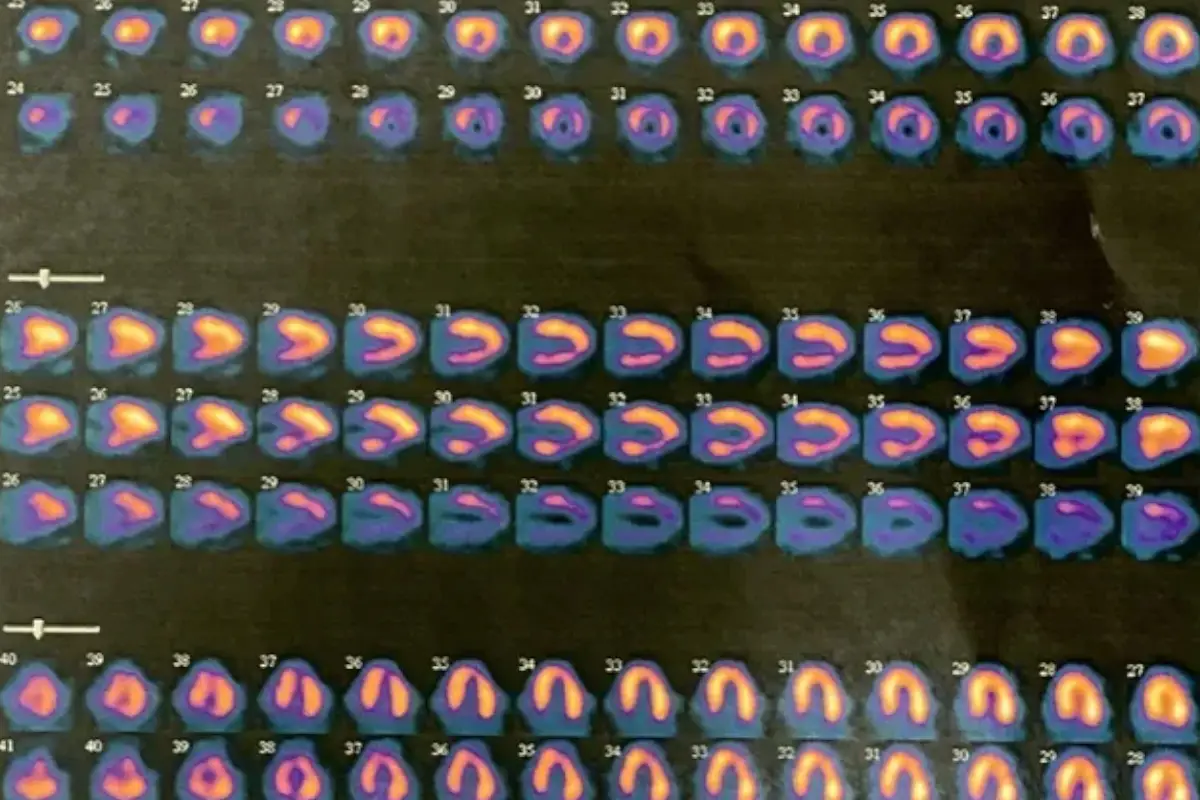
We use advanced imaging to evaluate blood flow to the heart muscle, identifying areas of reduced circulation or damage with high precision.
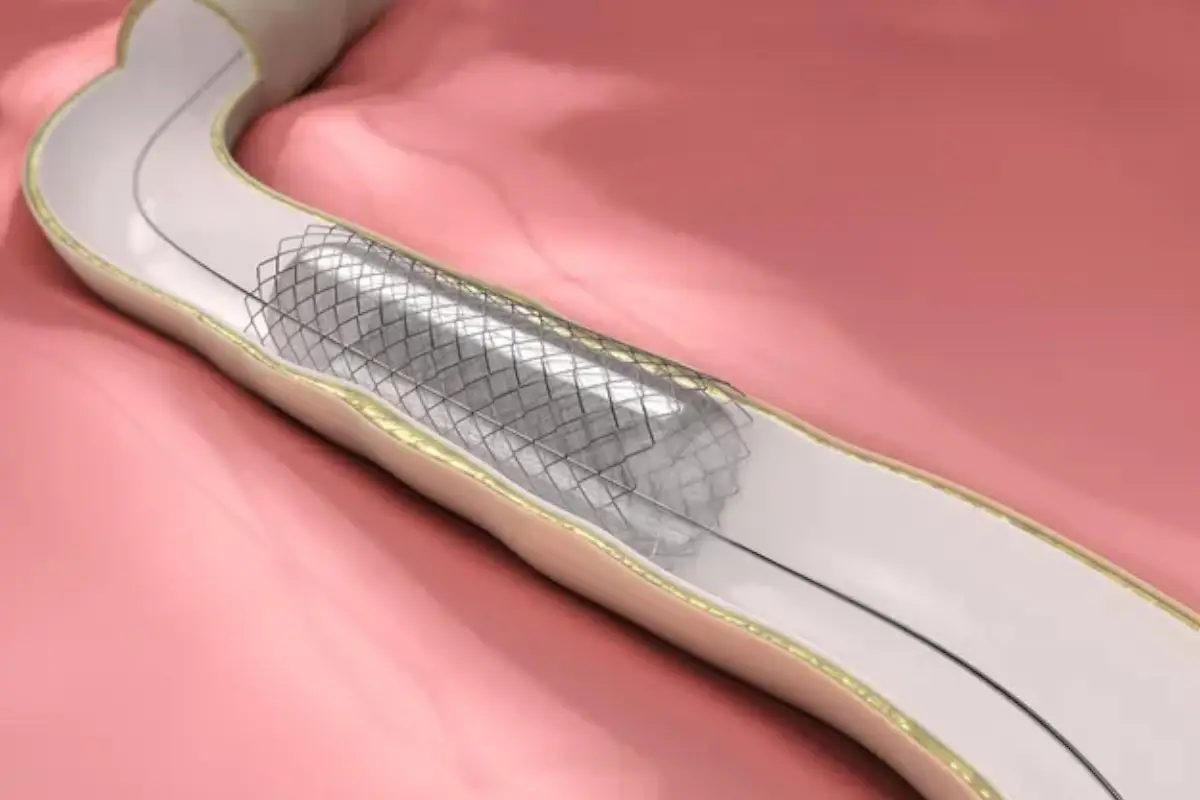
We diagnose and treat varicose veins, deep vein issues, and other venous conditions to restore comfort, improve circulation, and prevent complications.
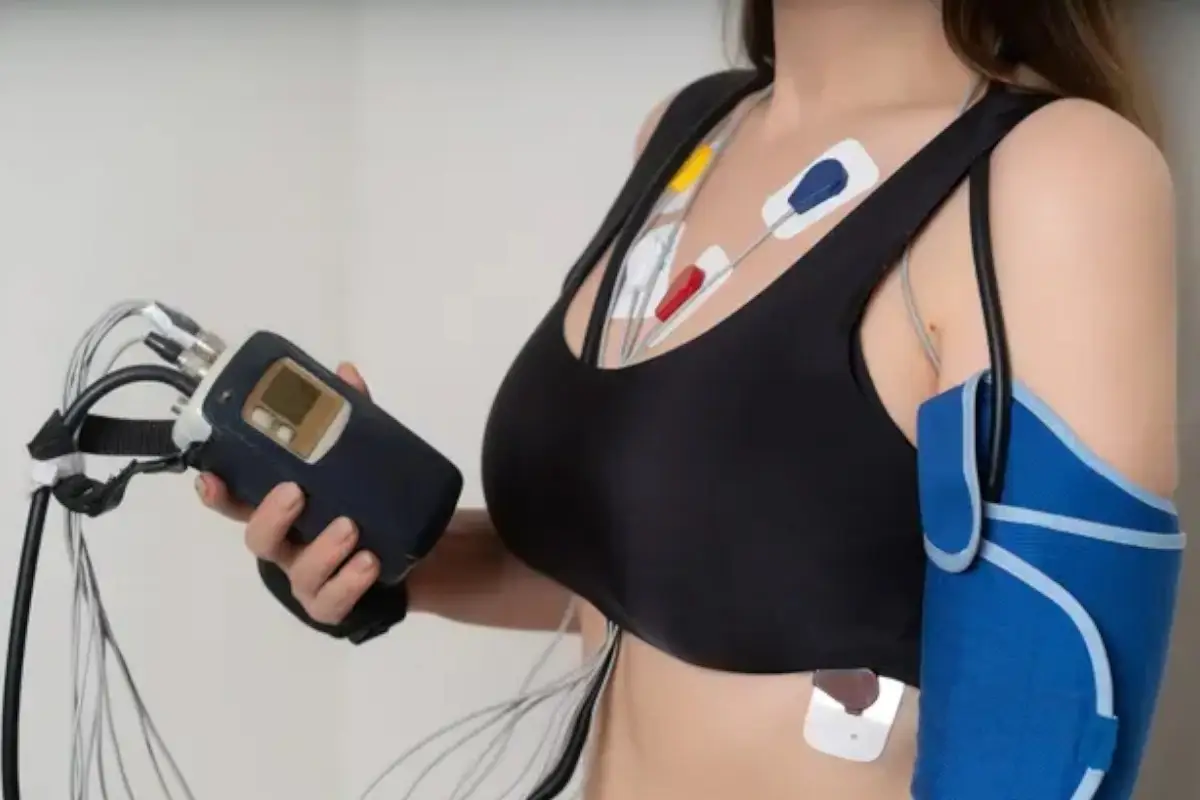
A portable Holter device records your heart’s activity over 24–48 hours, allowing accurate detection of rhythm irregularities in real-life settings.
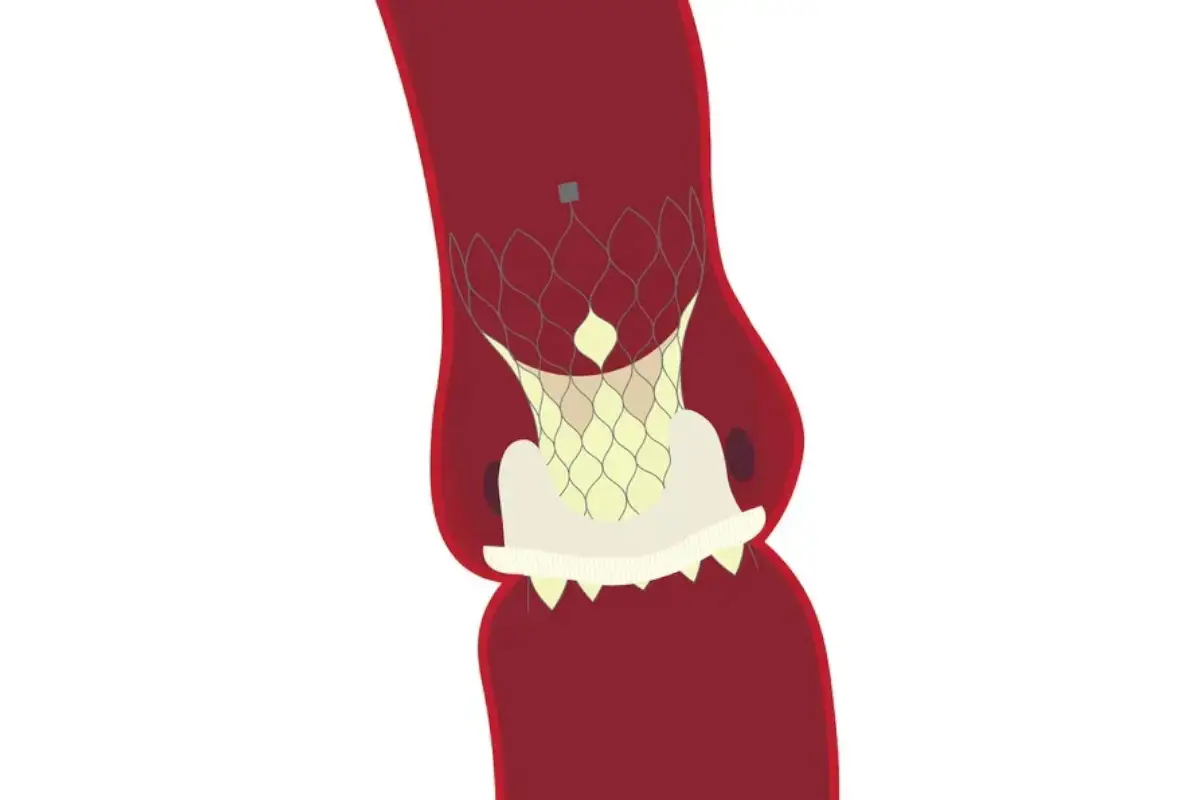
TAVR offers a minimally invasive alternative to open-heart surgery, replacing damaged valves to improve blood flow and overall heart performance.
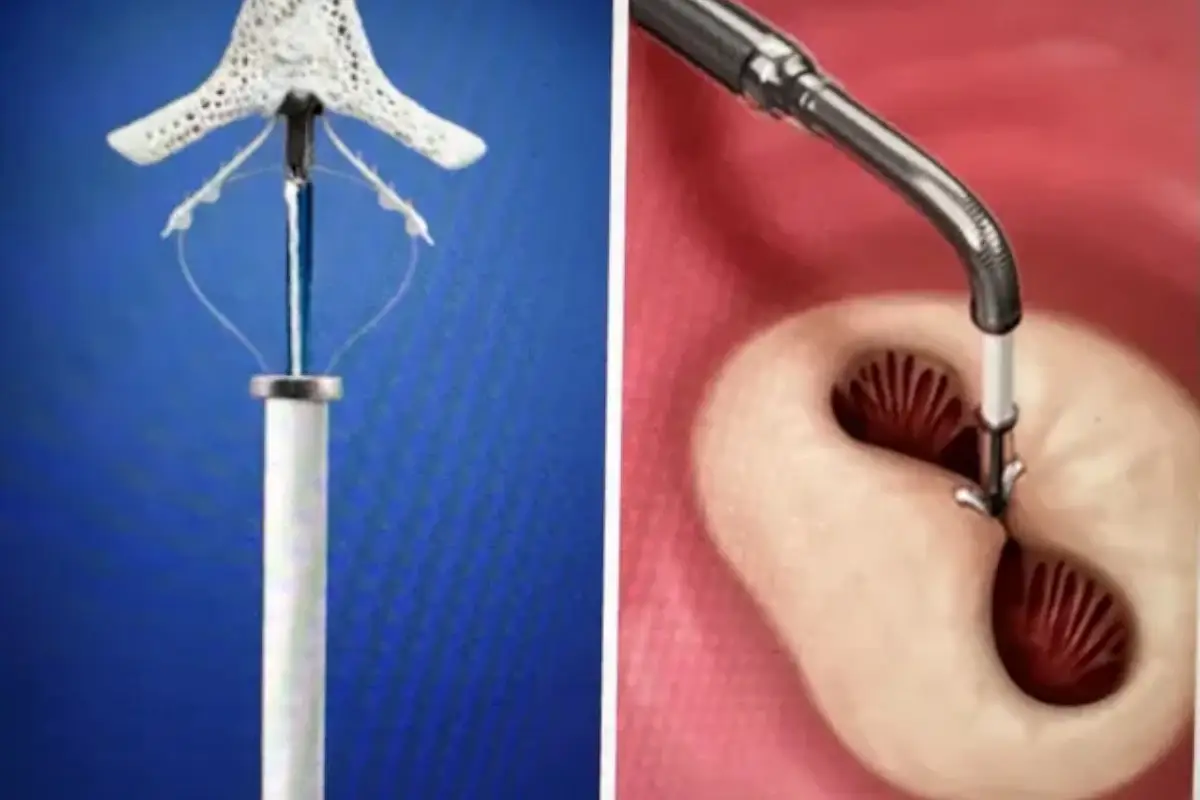
We perform MitraClip therapy to treat mitral valve regurgitation, improving heart efficiency and reducing symptoms without the need for surgery.
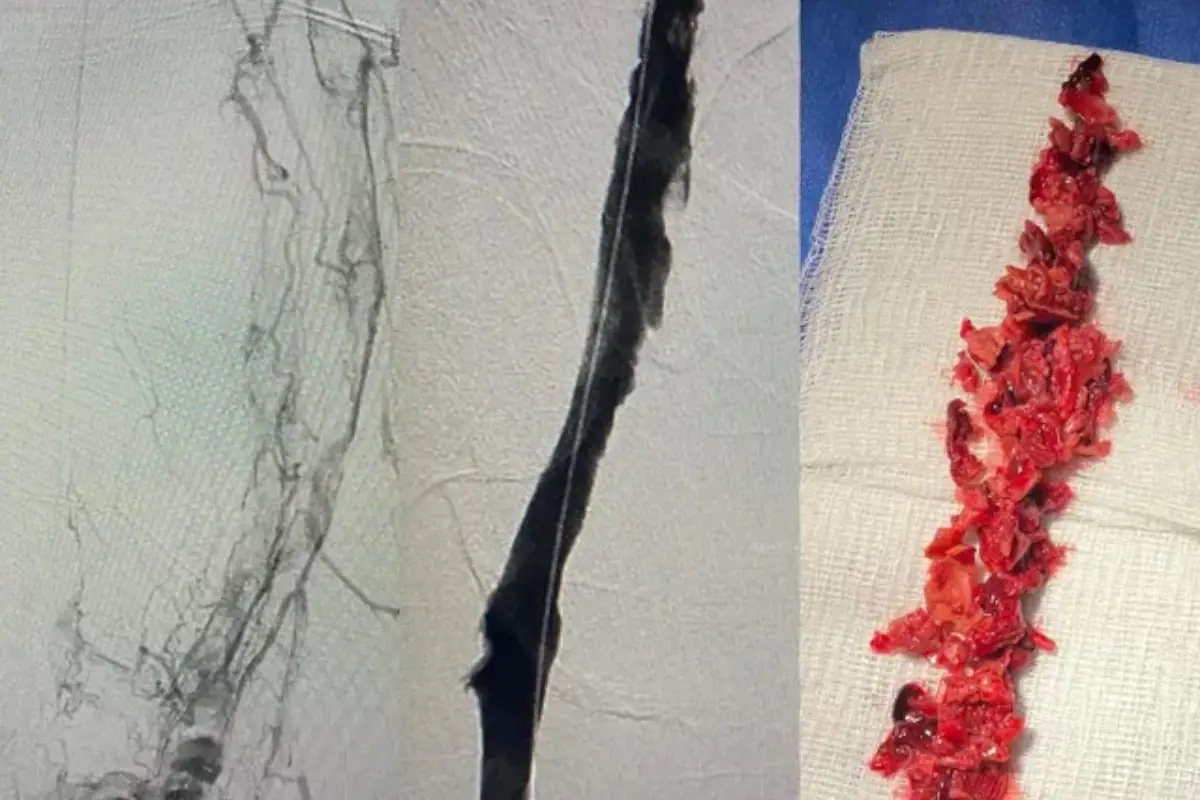
Our specialists use advanced, minimally invasive techniques to dissolve clots, relieve pain, and prevent long-term vein damage from DVT.
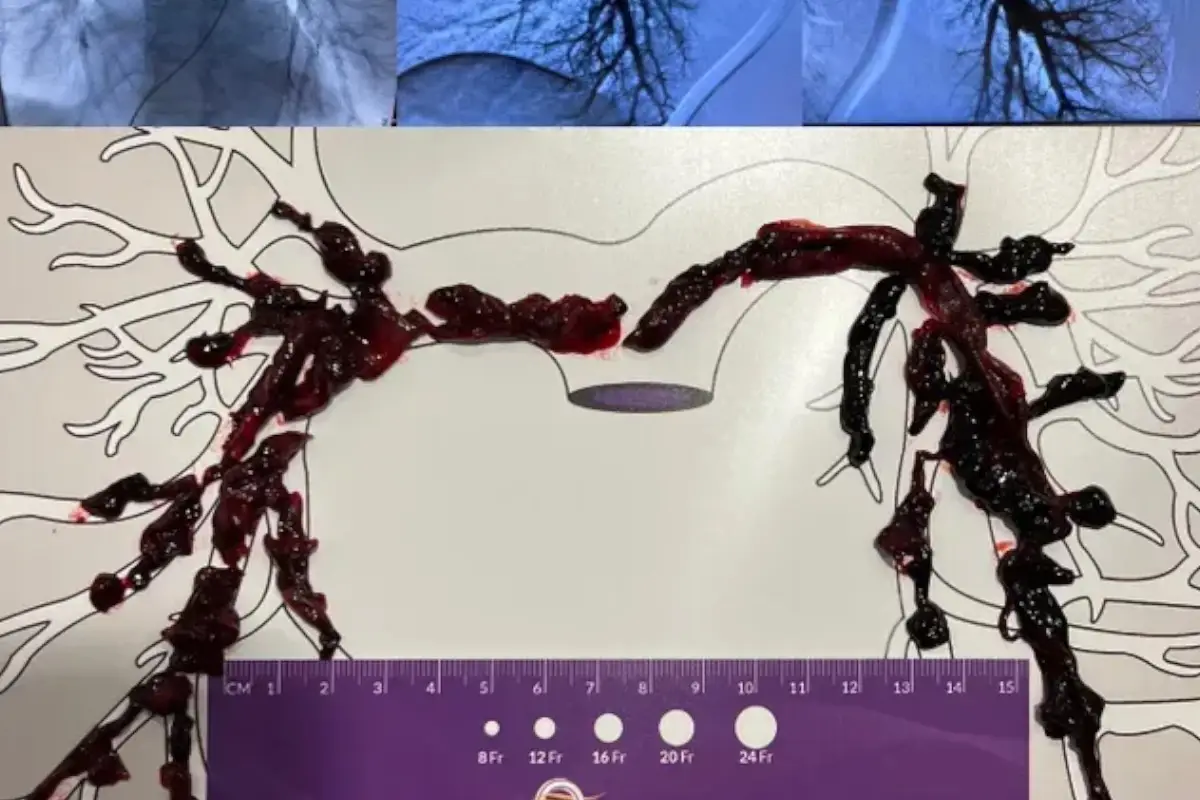
We offer rapid diagnosis and targeted treatments to remove or dissolve clots in the lungs, restoring breathing and reducing cardiovascular risk.
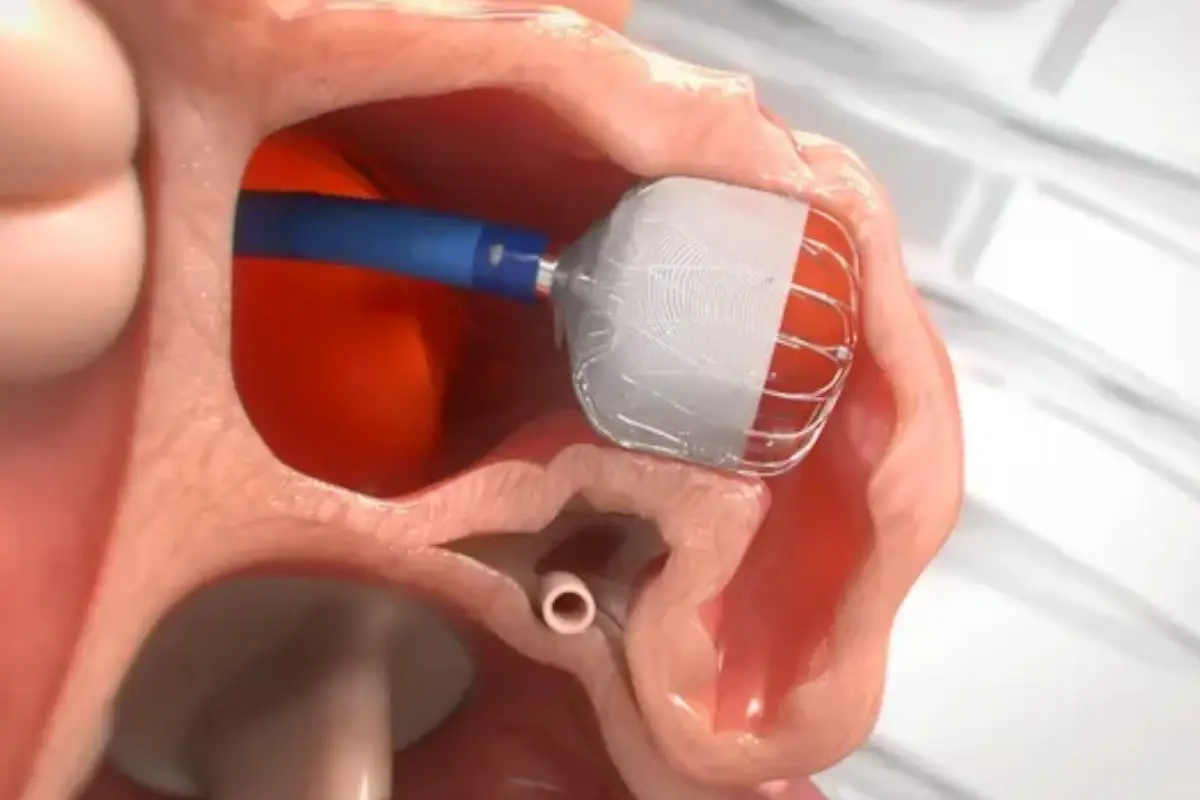
This innovative procedure reduces stroke risk in atrial fibrillation patients by closing the left atrial appendage and eliminating long-term anticoagulants.
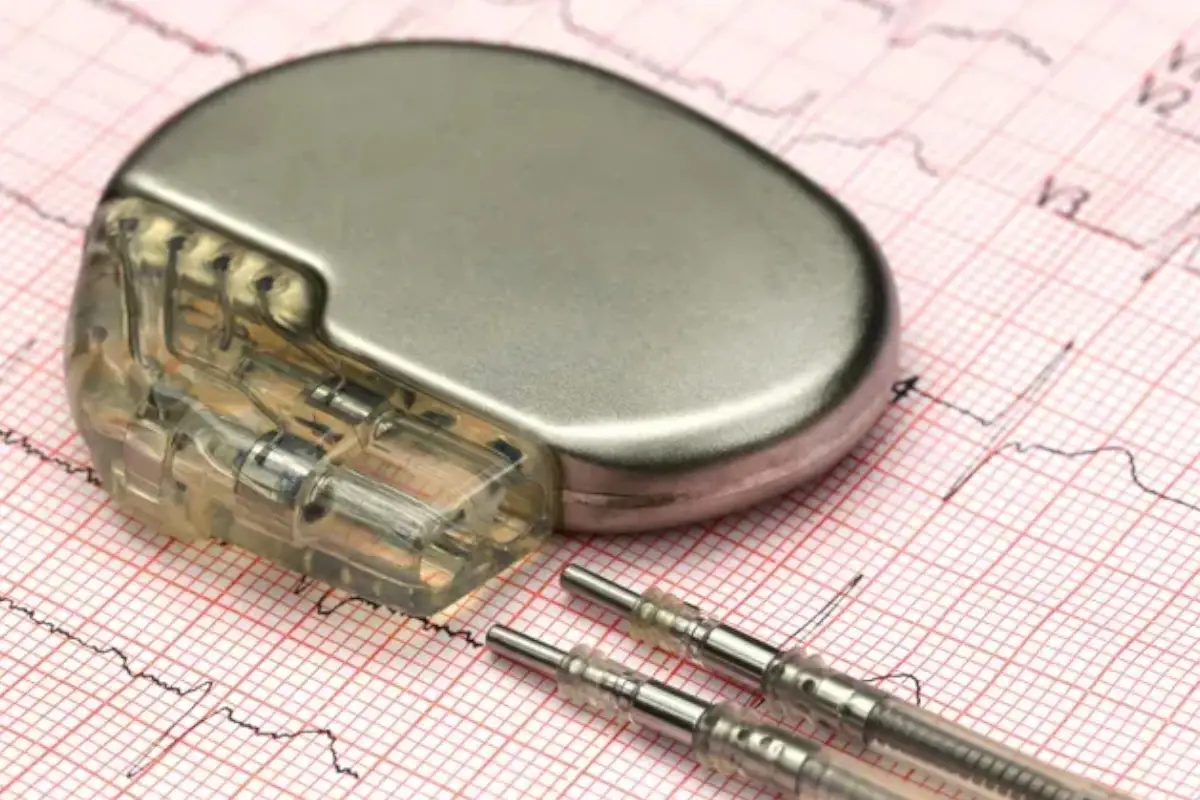
We implant pacemakers to regulate slow or irregular heartbeats, restoring proper rhythm and improving daily function and energy levels.
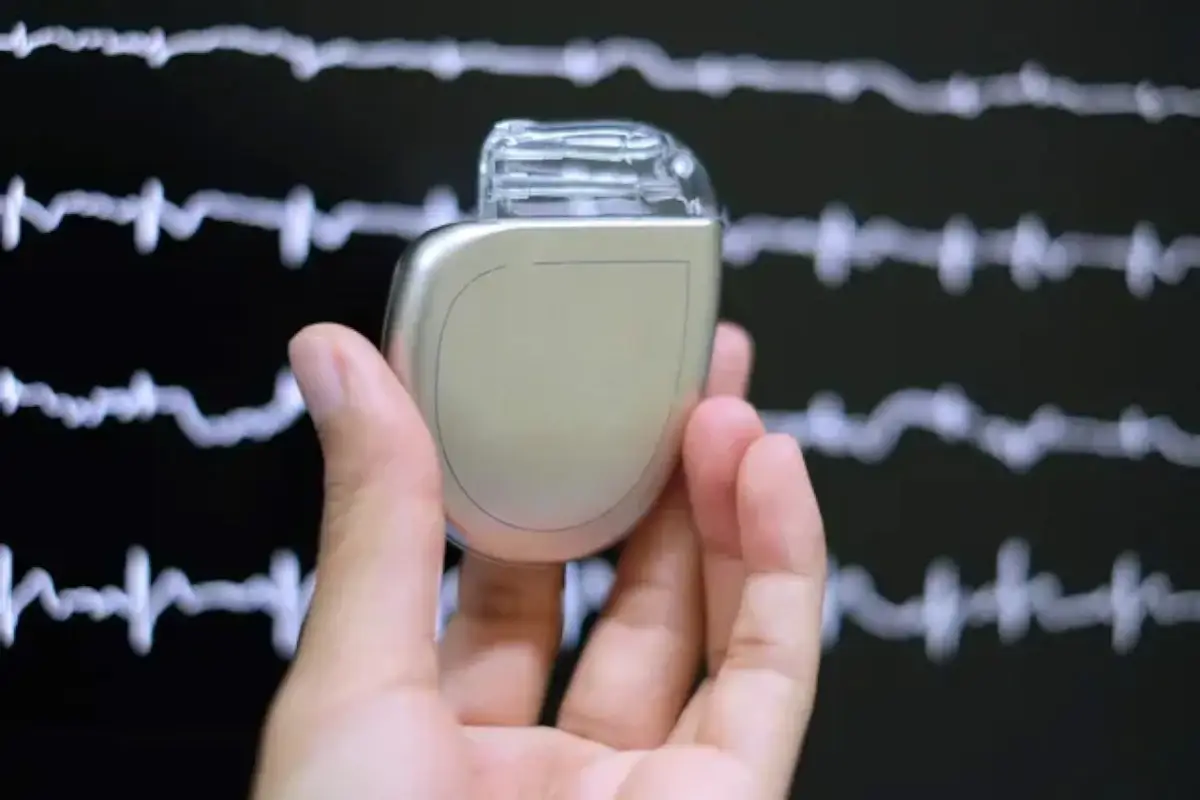
Our ICD implantation helps prevent sudden cardiac arrest by detecting dangerous rhythms and automatically delivering corrective electrical pulses.
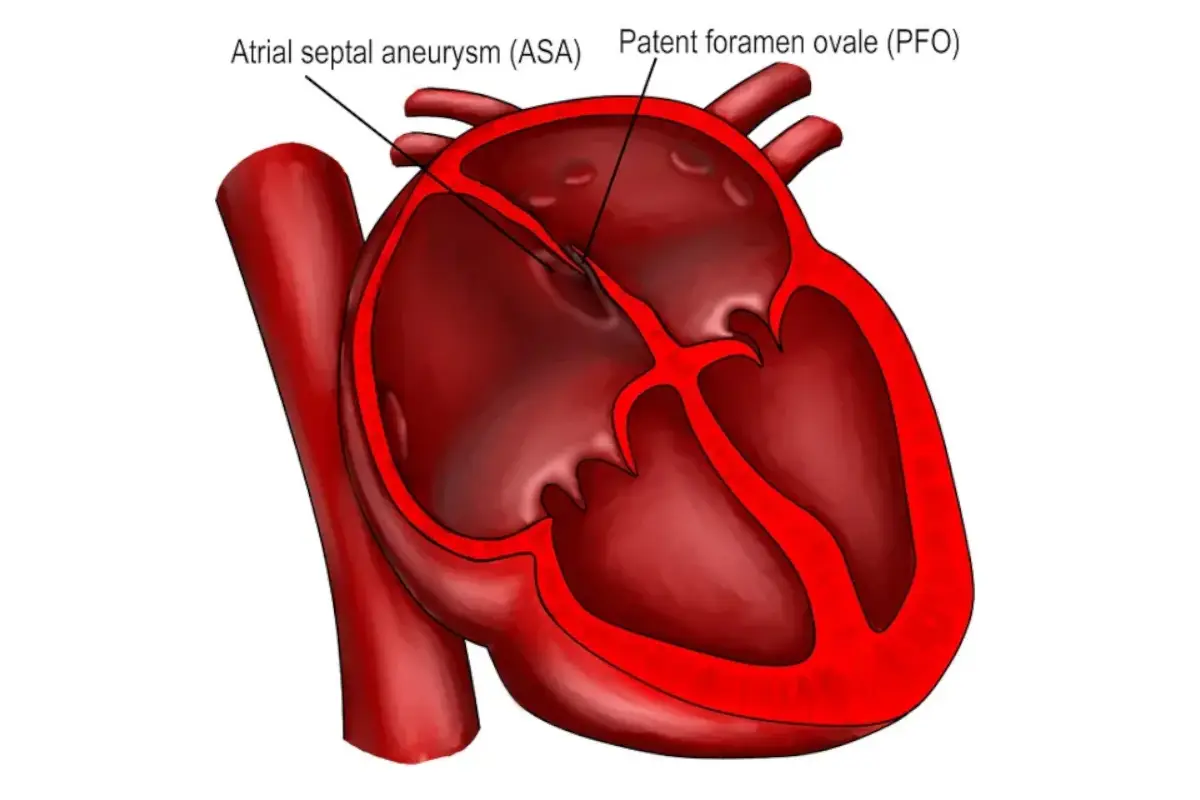
We close the small opening between heart chambers using a catheter-based device, reducing the risk of stroke and improving overall circulation.