Transcatheter Aortic Valve Replacement (TAVR) services offered in Zephyrhills, Lakeland, Plant City and Riverview, FL
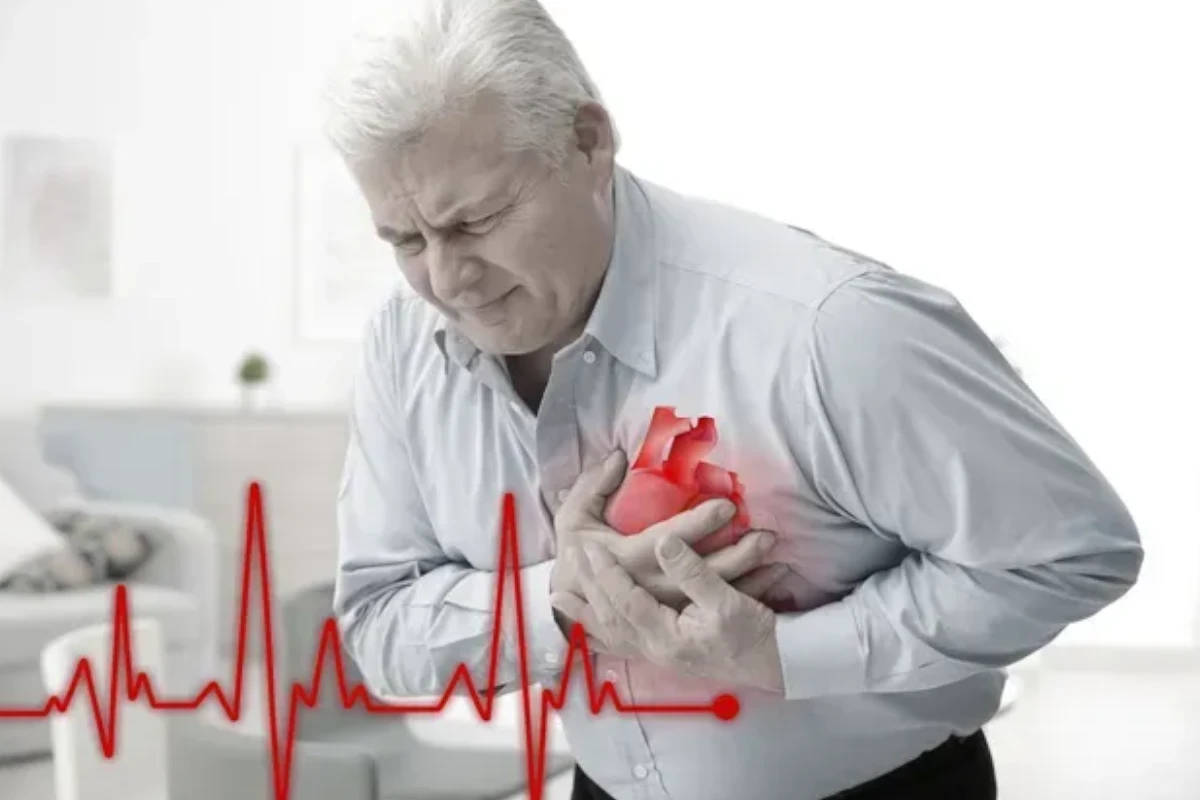
Fatigue, shortness of breath, and chest pain or tightness are the top three signs you may need a transcatheter aortic valve replacement (TAVR). The cardiology experts at Florida Heart, Vein and Vascular Institute have helped many patients return to a healthier life with a minimally invasive TAVR procedure. To learn more, call the office in Zephyrhills, Lakeland, Plant City, Wesley Chapel or Riverview, Florida, or request an appointment online today to get help for troublesome heart symptoms.
Transcatheter Aortic Valve Replacement (TAVR) Q&A
What is a transcatheter aortic valve replacement (TAVR)?
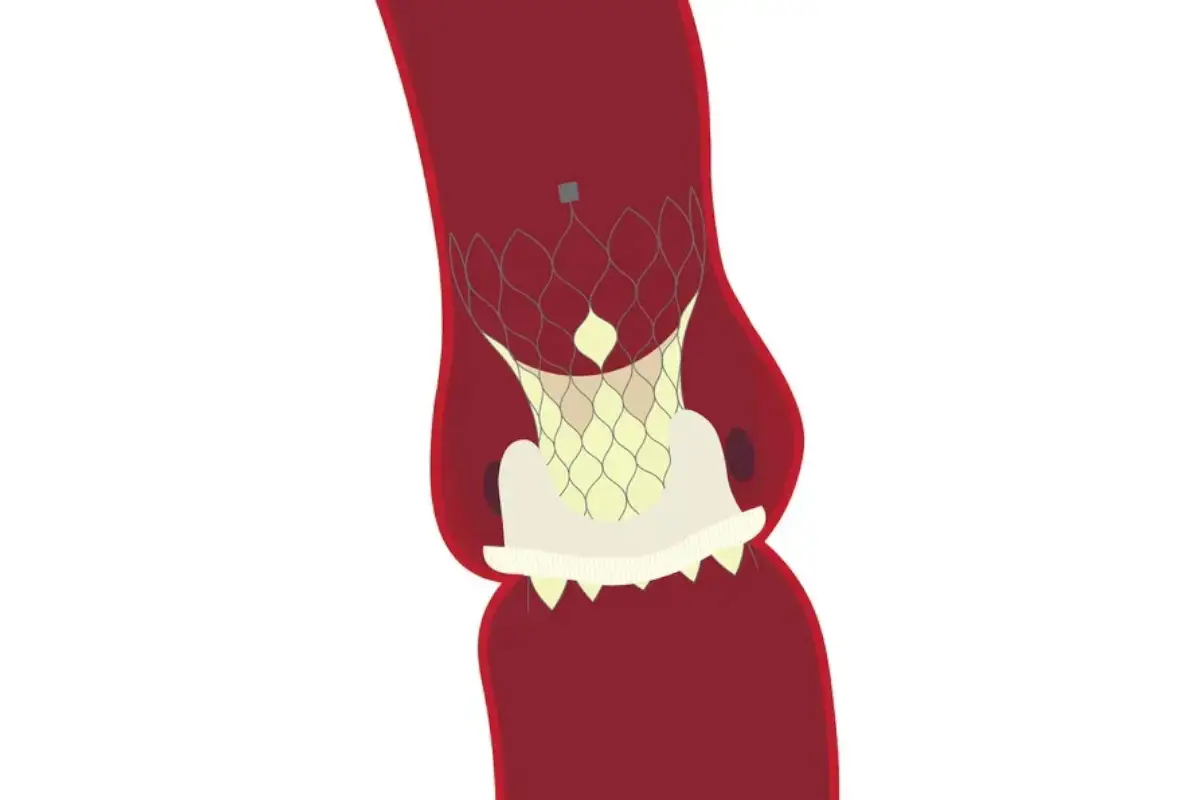
A transcatheter aortic valve replacement, or TAVR, treats a heart condition called aortic valve stenosis. During the minimally invasive interventional cardiology procedure, your provider removes the damaged valve and replaces it with a new one.
The aortic valve opens to let blood flow from your heart into the aorta, the large artery carrying oxygen-rich blood to your body. Then, the valve closes to prevent blood from flowing back into your heart.
Aortic valve stenosis occurs when the valve becomes thick and stiff, narrowing the opening and decreasing the amount of blood flowing out of your heart.
When this condition isn’t treated, your heart works harder to force more blood into the aorta. The extra effort takes a toll on your heart muscles, ultimately causing heart failure.
What should I expect during a TAVR?
Many patients have TAVR as an outpatient procedure using a local anesthetic and sedation to help them relax.
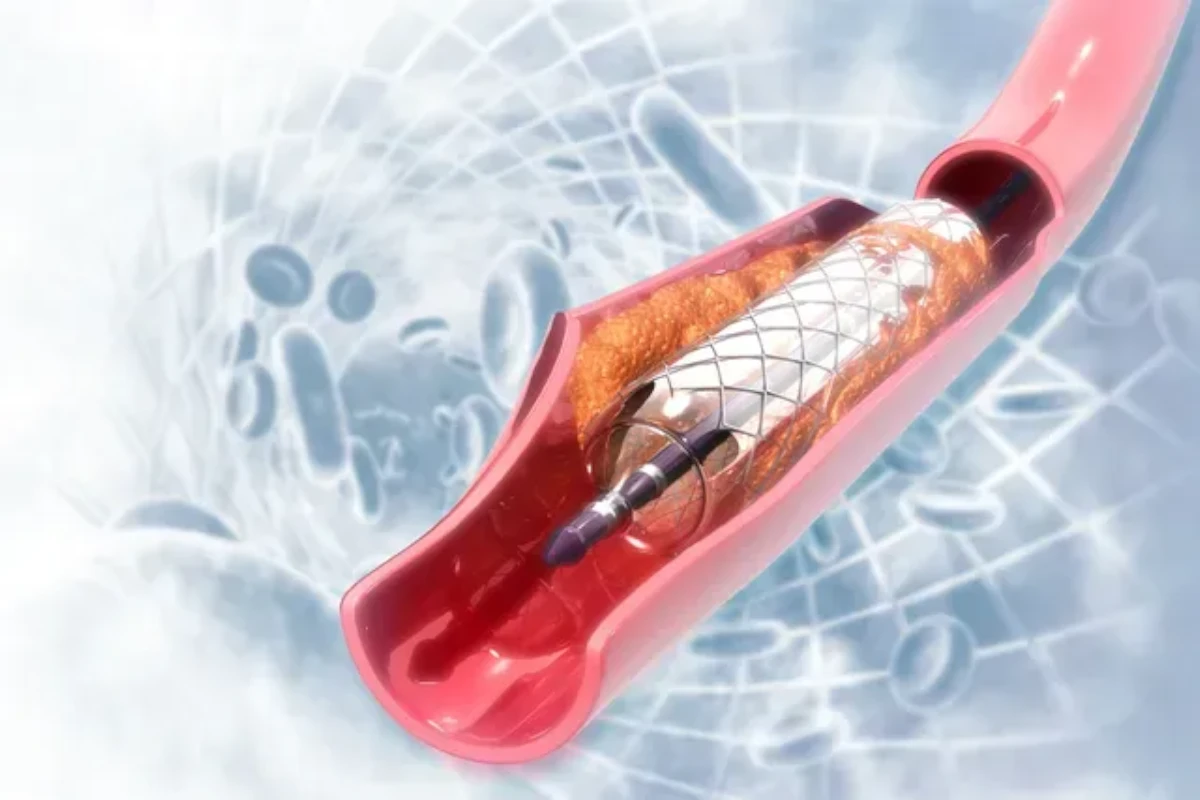
Your provider makes a tiny cut in your groin or chest and inserts a catheter (long, narrow tube) into the blood vessel. They use specialized real-time imaging to thread the catheter into your heart.
After placing the catheter near the aortic valve, your provider uses the catheter to guide instruments into your heart, using them to remove and replace the valve.
Some valves automatically expand to become permanently implanted in place. Others are pressed into place by inflating a balloon from the catheter.
What is recovery like after a transcatheter aortic valve replacement?
As long as you don’t have any complications after the transcatheter aortic valve replacement, you can go home the same day. Before you leave, the team explains how to care for the small wound and watch for problems like an infection.
Your Florida Heart, Vein and Vascular Institute provider prescribes blood thinners (anticoagulants) to prevent blood clots. You may also need to take antibiotics to prevent a bacterial infection in the new valve.
After taking it easy for a time, most patients return to their usual activities within two weeks. You’ll have regular follow-up appointments, and your provider recommends a healthy diet and exercise regimen to support your heart health.
Call the nearest Florida Heart, Vein and Vascular Institute office or request a TAVR consultation online today.
Comprehensive Heart and Vascular Services
We offer comprehensive diagnostic and preventive heart and vein care, ensuring every patient receives accurate evaluation and effective treatment.
Interventional Cardiology
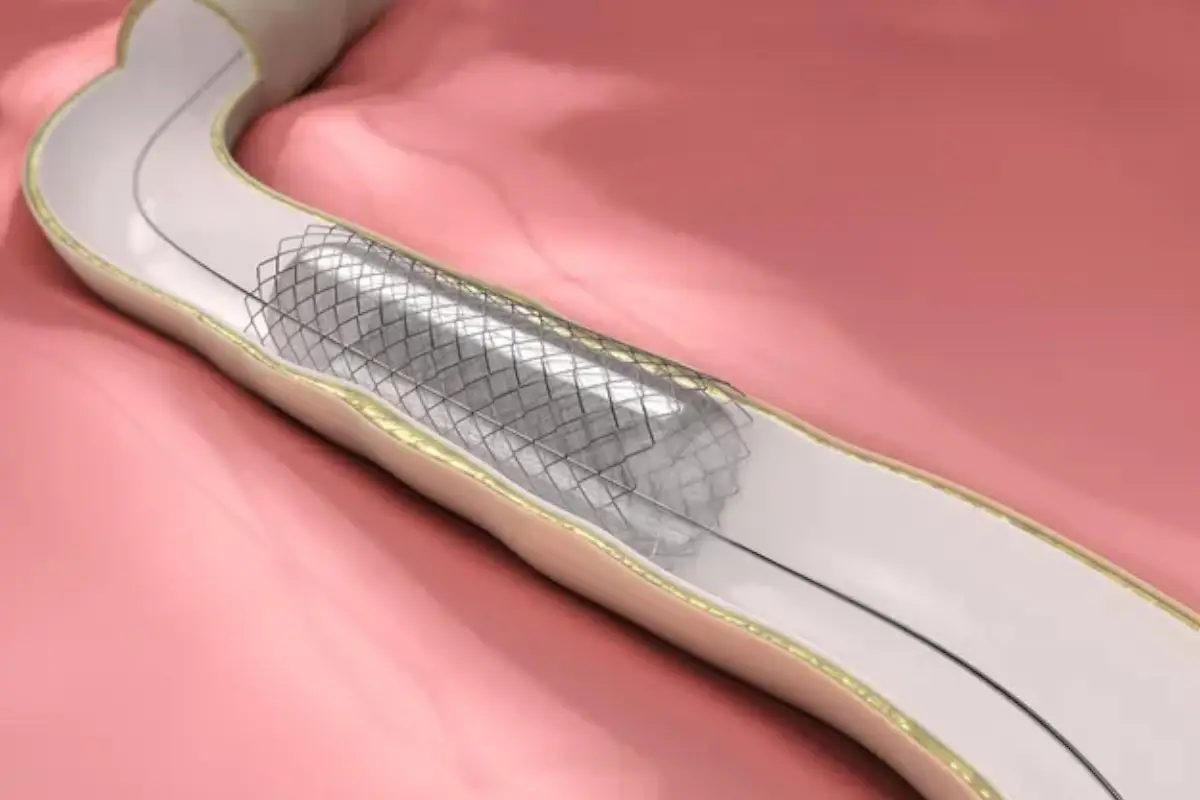
We specialize in minimally invasive procedures that open blocked arteries and restore proper blood flow, improving heart function and patient outcomes.
Peripheral Vascular Disease
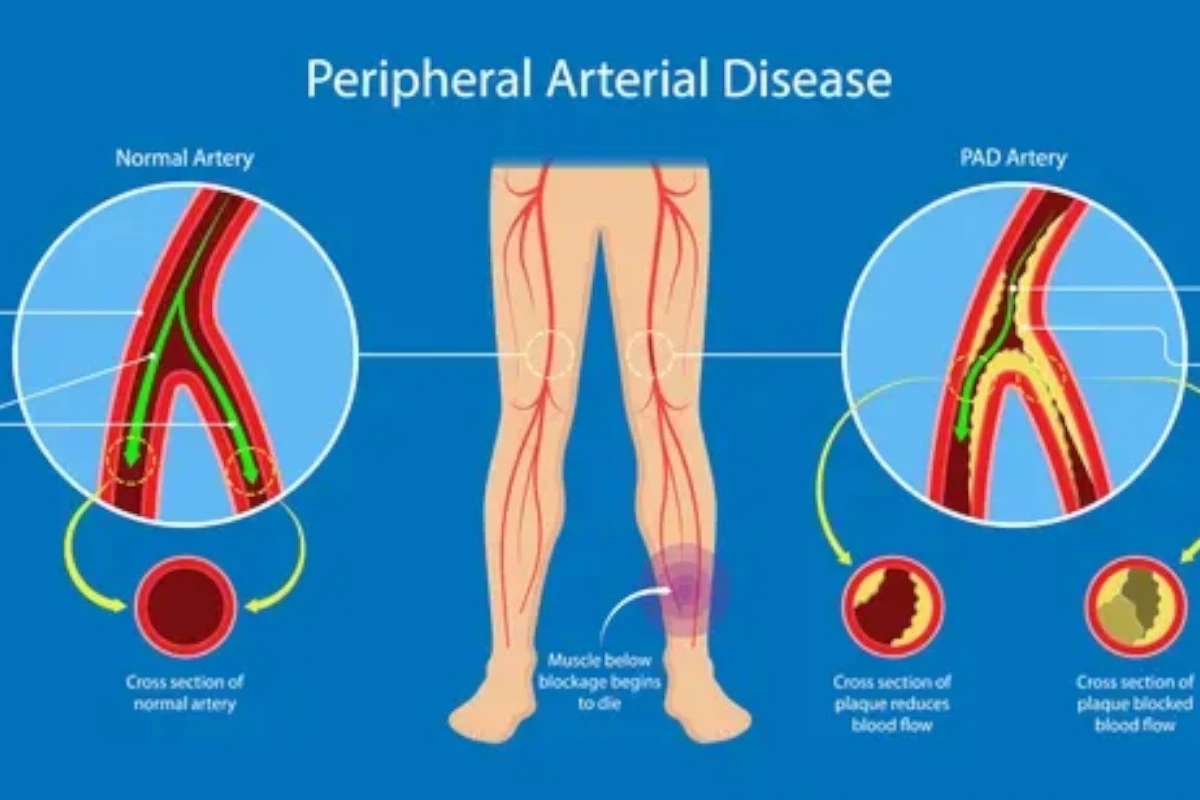
Our experts diagnose and treat narrowed or blocked vessels outside the heart, enhancing circulation and reducing pain in the legs and extremities.
Coronary Artery Disease
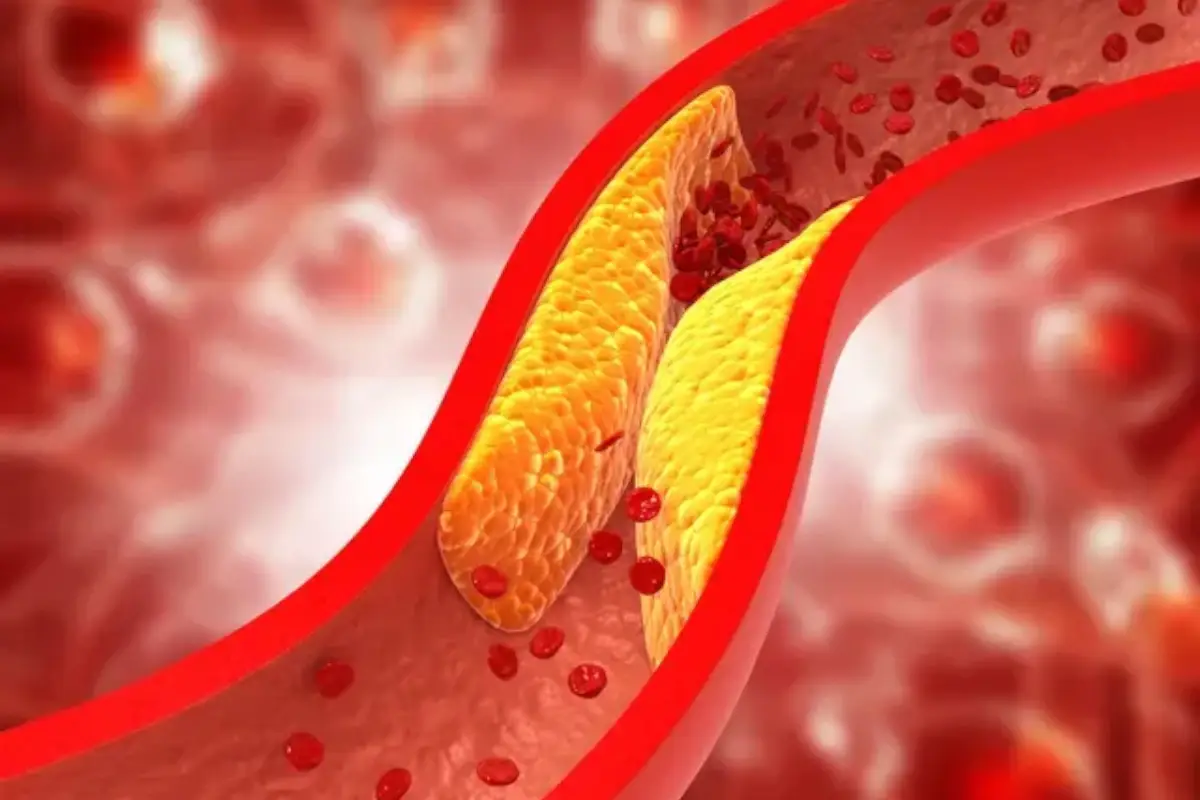
We provide advanced care to manage plaque buildup in coronary arteries, improving oxygen flow to the heart and preventing serious cardiac events.
Valvular Heart Disease
Our specialists assess and treat valve disorders to restore normal heart rhythm and ensure efficient blood flow throughout the cardiovascular system.
Hypertension
We offer personalized management for high blood pressure through medication, diet, and lifestyle adjustments to protect your heart and arteries.
Congestive Heart Failure
Comprehensive treatment plans help strengthen heart function, reduce symptoms, and improve quality of life for patients with heart failure.
High Cholesterol
We focus on preventing heart disease through cholesterol management programs that combine medication, nutrition counseling, and lifestyle coaching.
Heart Palpitations
Our team evaluates irregular or rapid heartbeats with advanced diagnostic tools to identify causes and develop effective treatment strategies.
Arrhythmias
We diagnose and manage heart rhythm abnormalities using state-of-the-art monitoring and therapies that help maintain a steady, healthy heartbeat.
Atrial Fibrillation
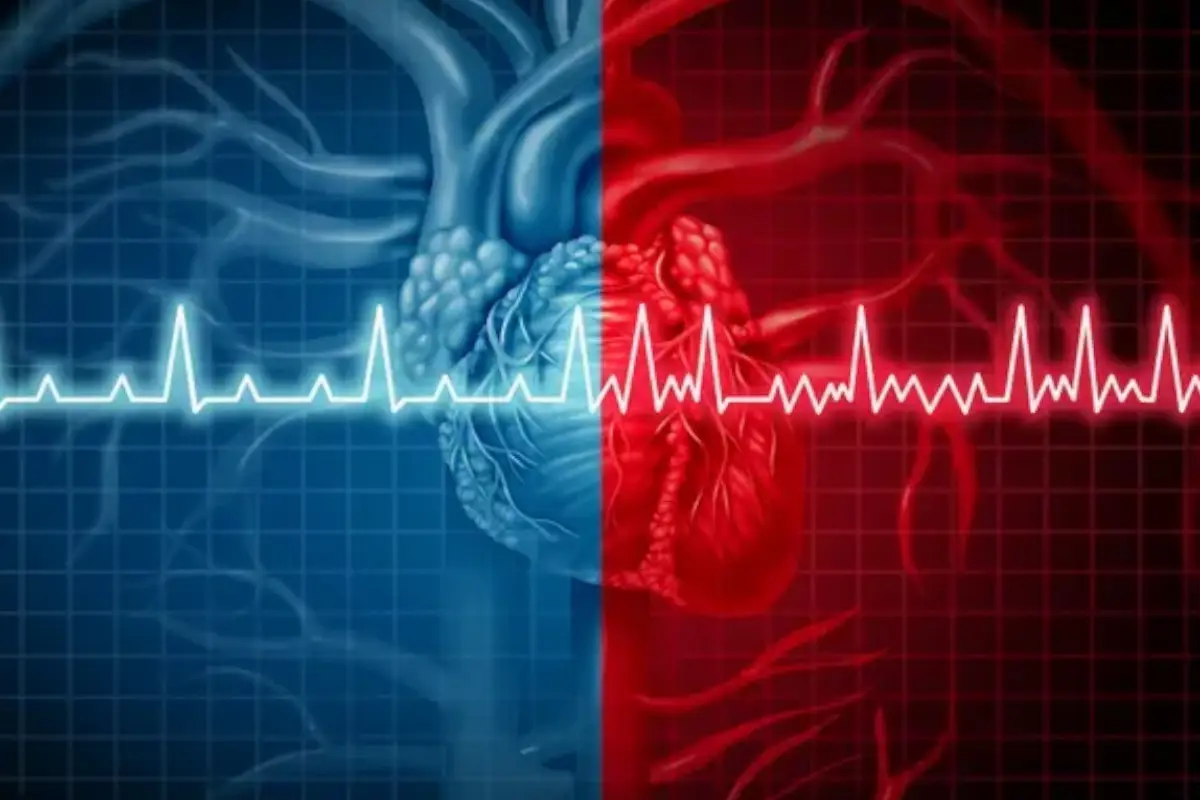
We offer cutting-edge care for atrial fibrillation, using medication and minimally invasive procedures to restore normal rhythm and prevent stroke.
Syncope
Our specialists investigate fainting episodes to determine underlying cardiovascular causes and provide treatment to prevent future occurrences.
Echocardiogram
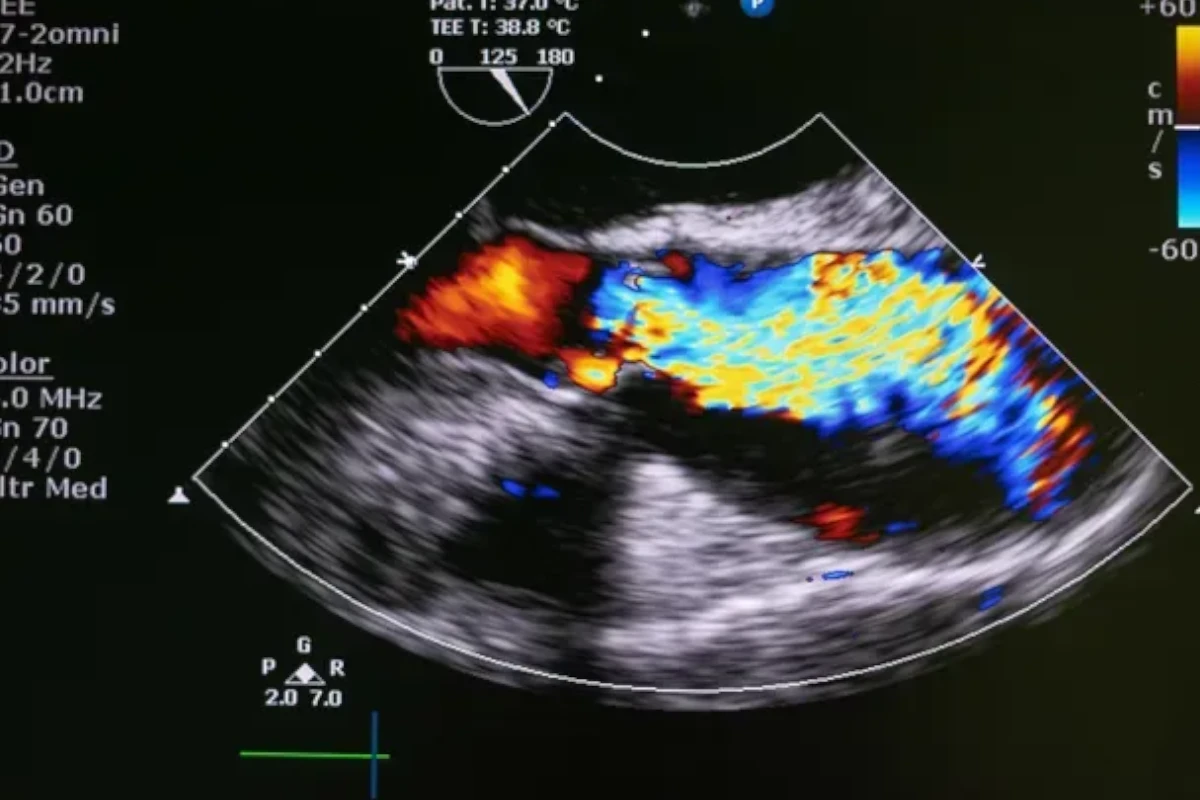
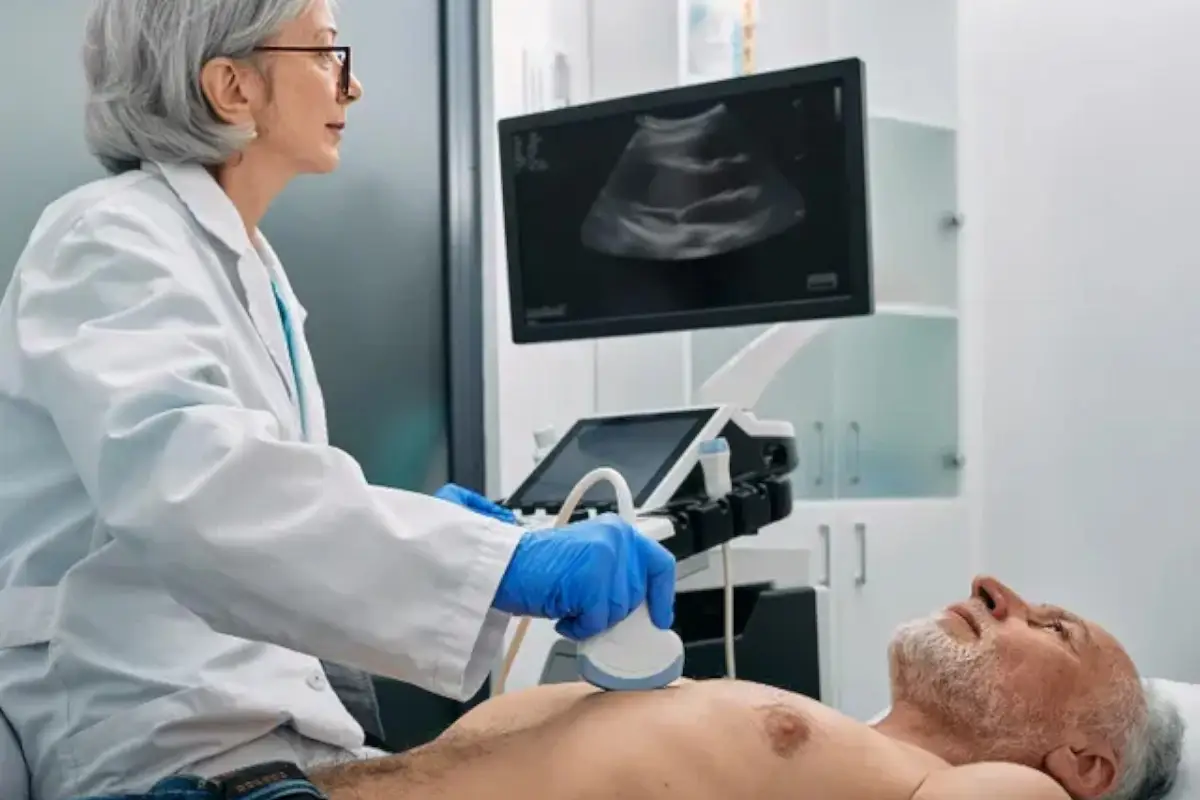
This non-invasive ultrasound test gives detailed images of your heart’s structure and function, helping us assess heart health and detect conditions early.
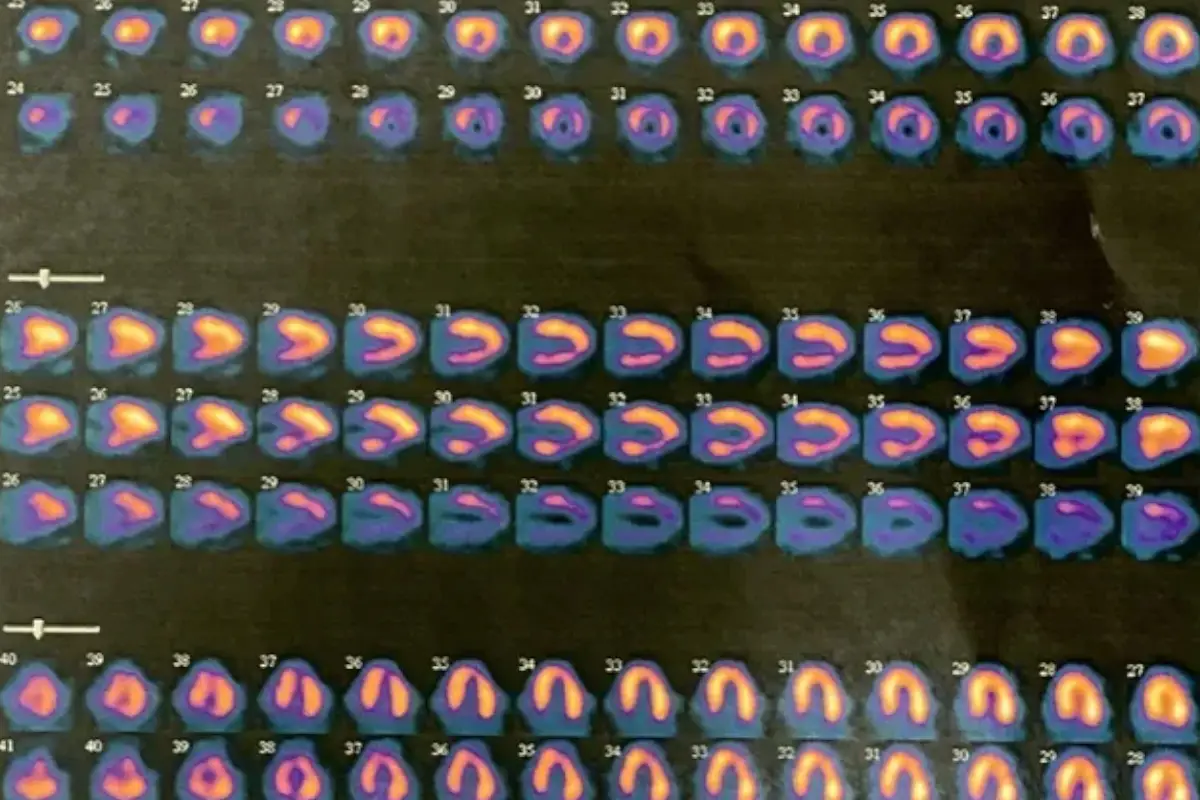
Cardiac Nuclear Stress Test
We use advanced imaging to evaluate blood flow to the heart muscle, identifying areas of reduced circulation or damage with high precision.
Venous Disorders and Management
We diagnose and treat varicose veins, deep vein issues, and other venous conditions to restore comfort, improve circulation, and prevent complications.
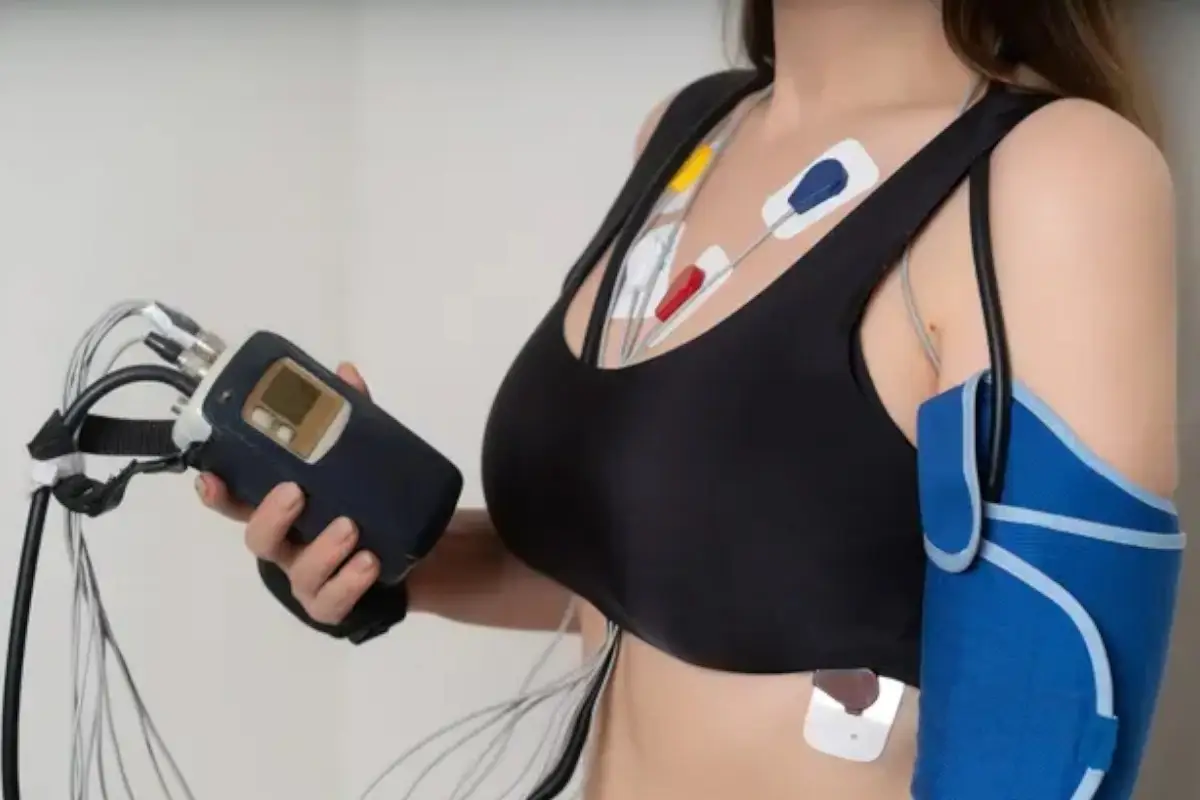
Holter Monitor
A portable Holter device records your heart’s activity over 24–48 hours, allowing accurate detection of rhythm irregularities in real-life settings.
Transcatheter Aortic Valve Replacement (TAVR)
TAVR offers a minimally invasive alternative to open-heart surgery, replacing damaged valves to improve blood flow and overall heart performance.
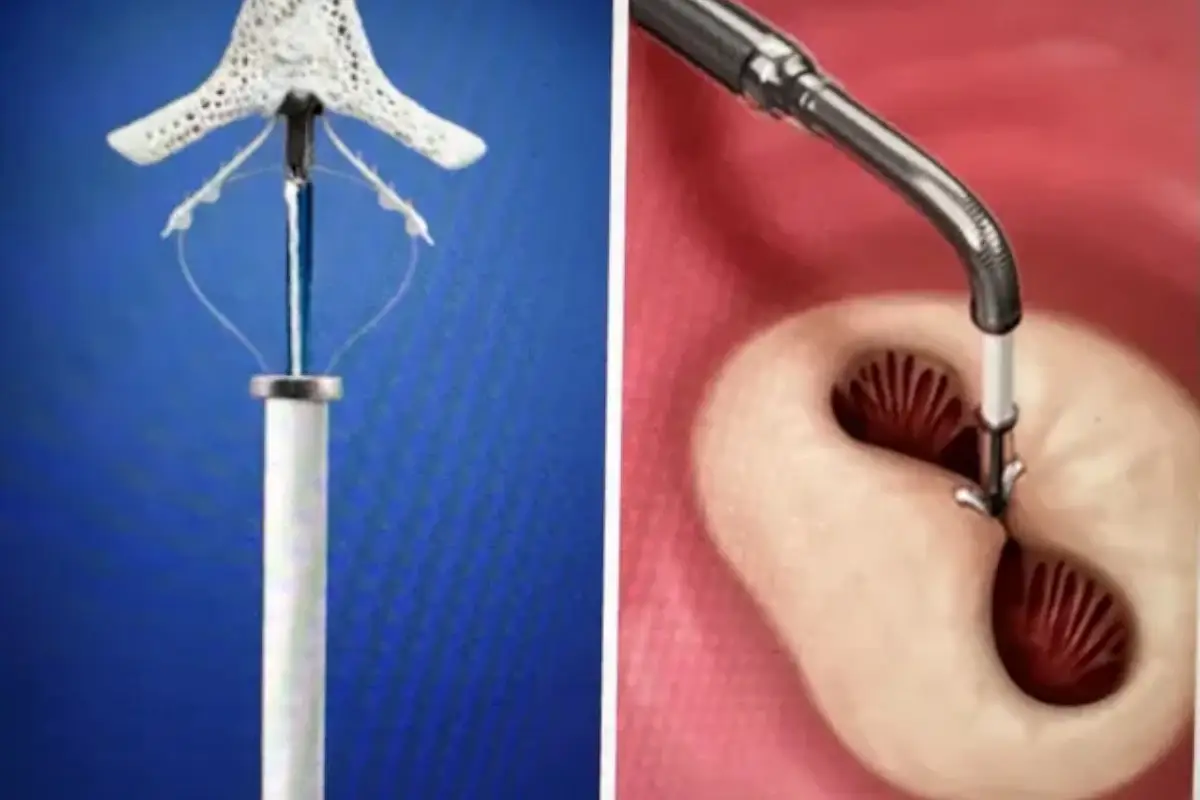
MitraClip Procedure
We perform MitraClip therapy to treat mitral valve regurgitation, improving heart efficiency and reducing symptoms without the need for surgery.
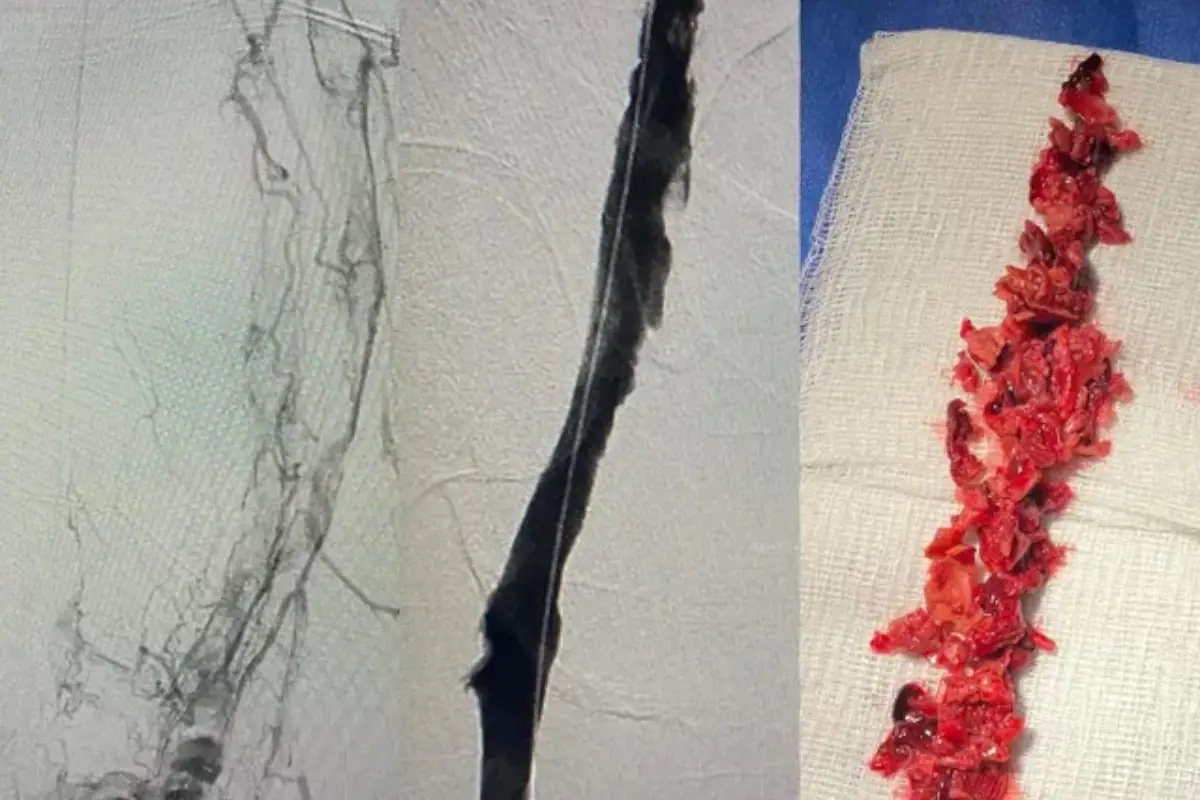
Deep Vein Thrombosis Interventions
Our specialists use advanced, minimally invasive techniques to dissolve clots, relieve pain, and prevent long-term vein damage from DVT.
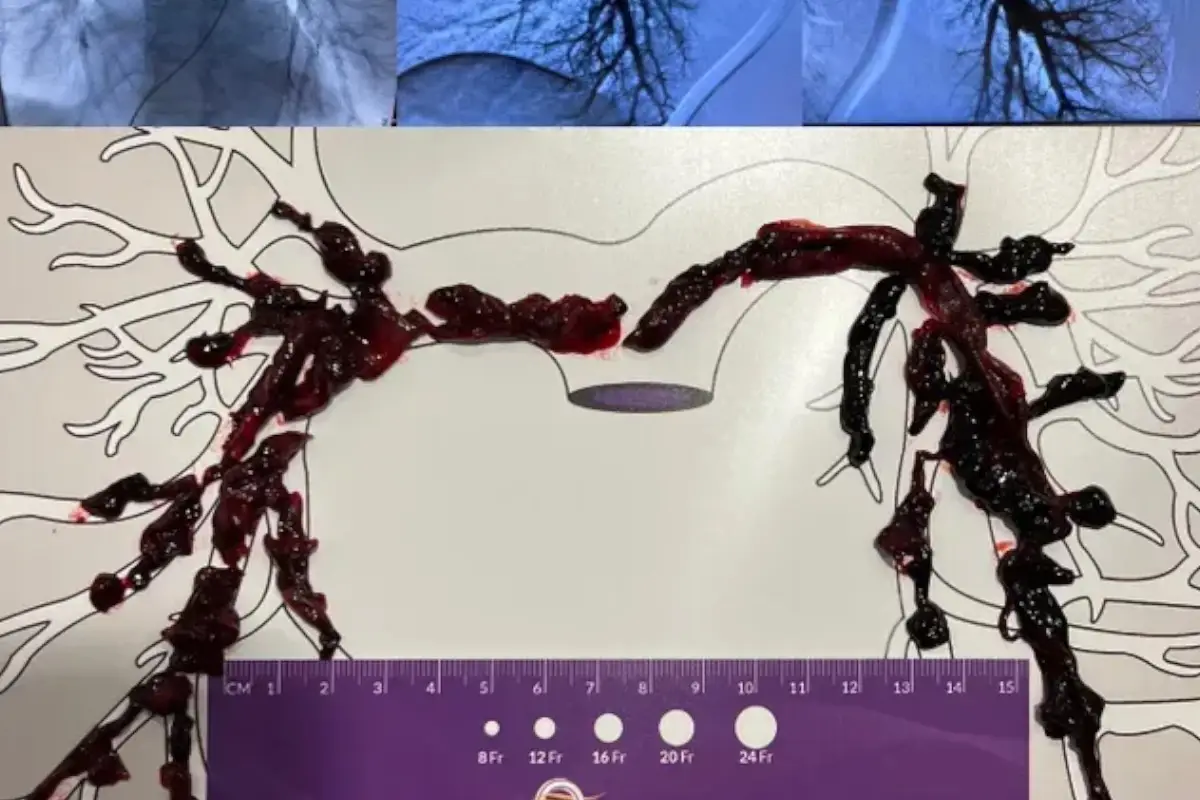
Pulmonary Embolism Interventions
We offer rapid diagnosis and targeted treatments to remove or dissolve clots in the lungs, restoring breathing and reducing cardiovascular risk.
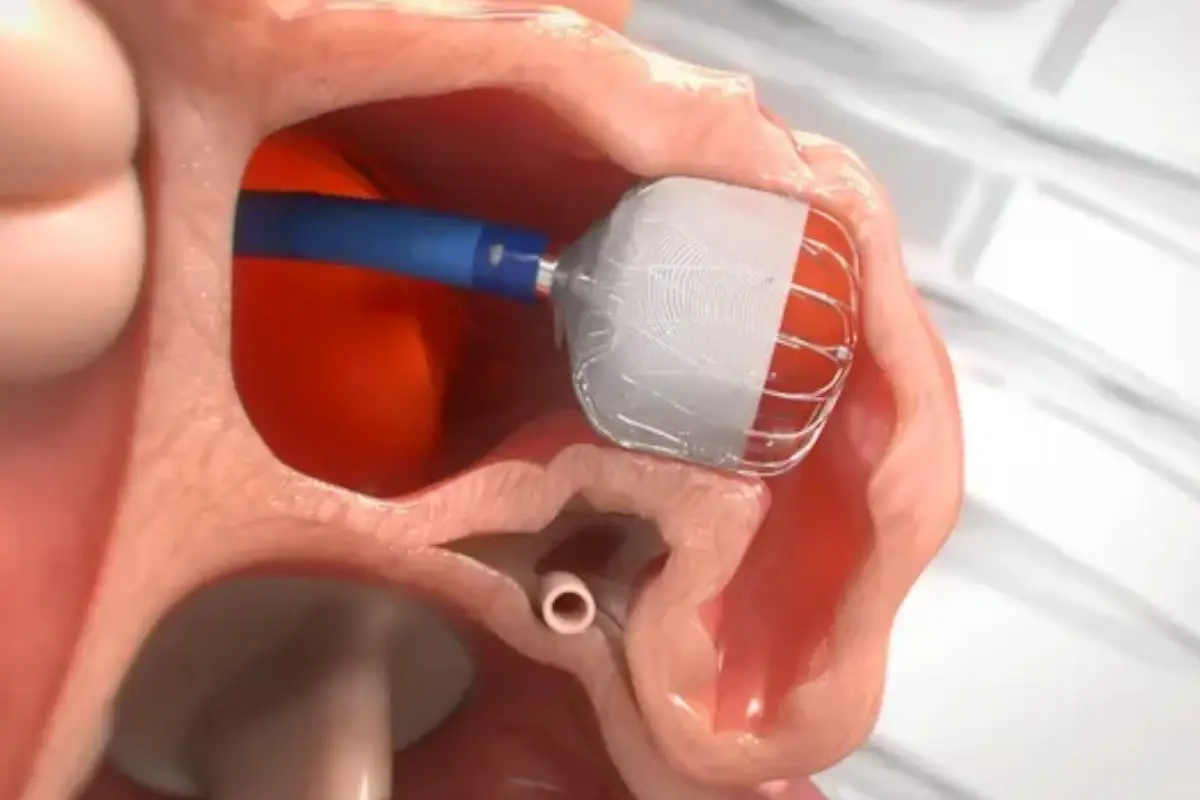
Watchman Device Implantation
This innovative procedure reduces stroke risk in atrial fibrillation patients by closing the left atrial appendage and eliminating long-term anticoagulants.
Permanent Pacemaker Implantation
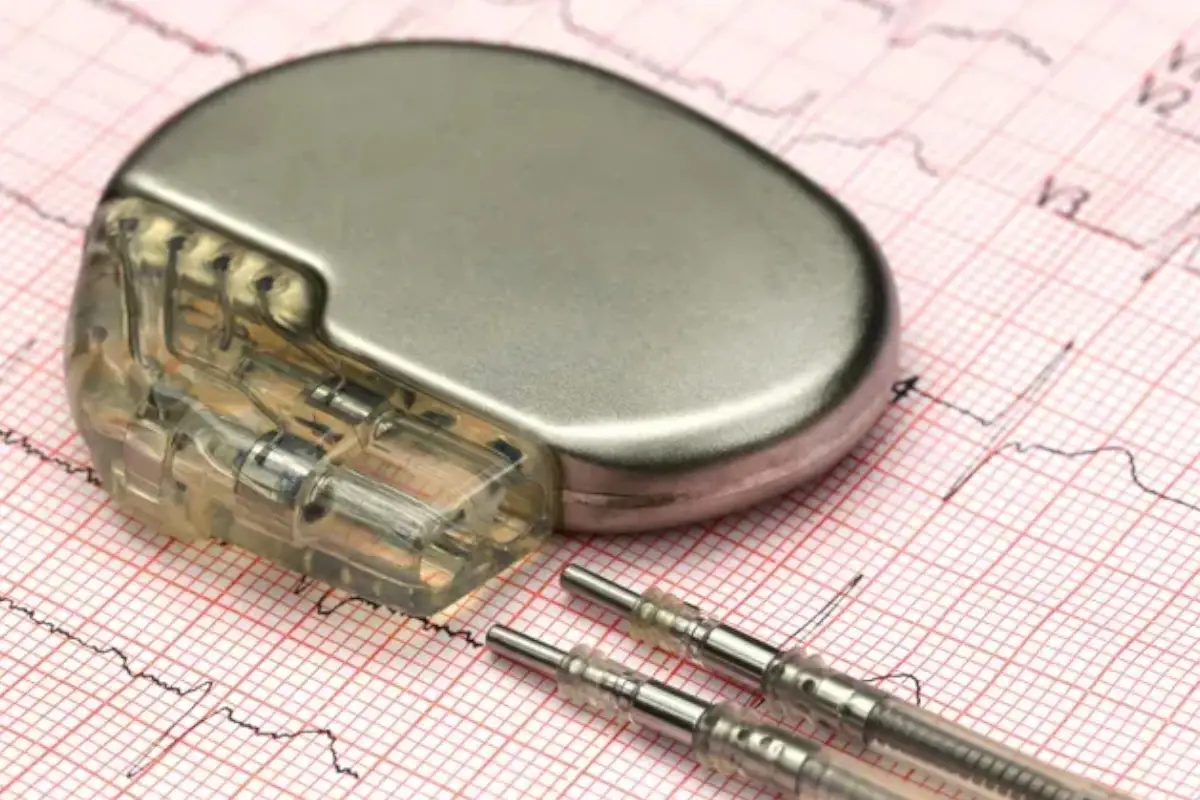
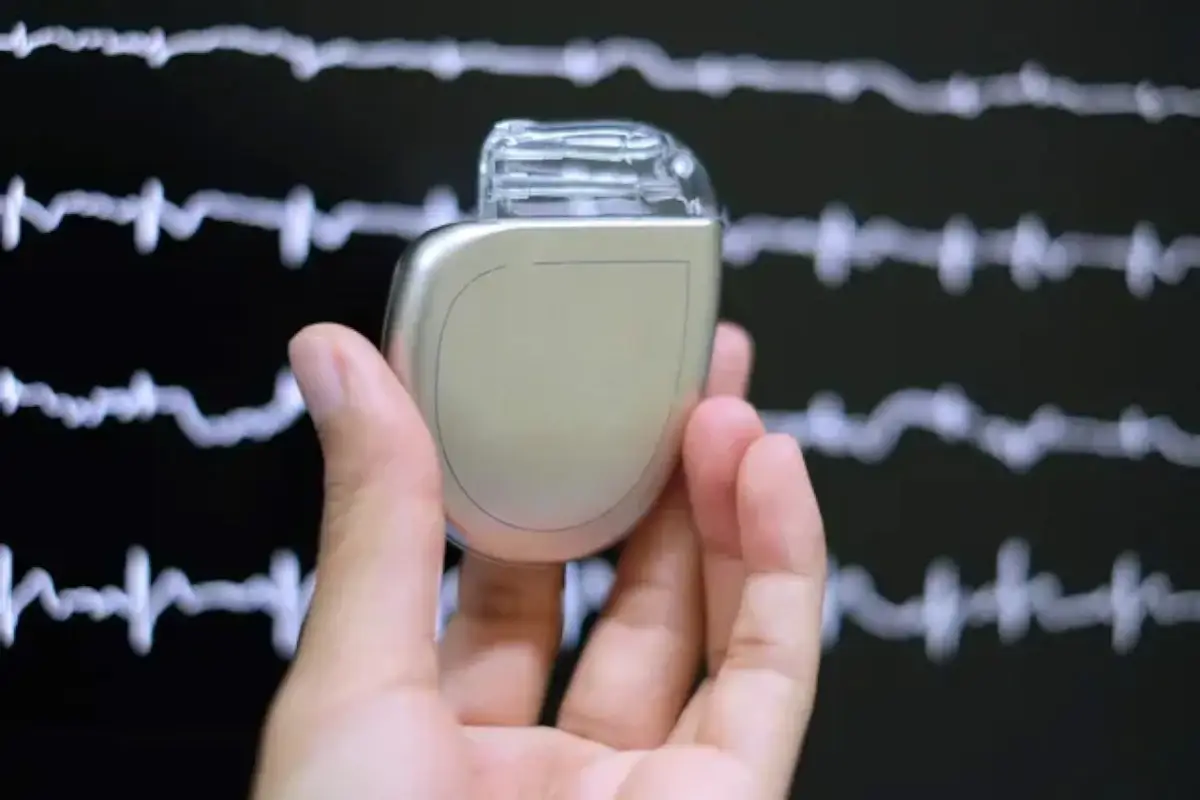
We implant pacemakers to regulate slow or irregular heartbeats, restoring proper rhythm and improving daily function and energy levels.
Implantable Cardioverter-Defibrillator (ICD)
Our ICD implantation helps prevent sudden cardiac arrest by detecting dangerous rhythms and automatically delivering corrective electrical pulses.
Patent Foramen Ovale (PFO) Closure
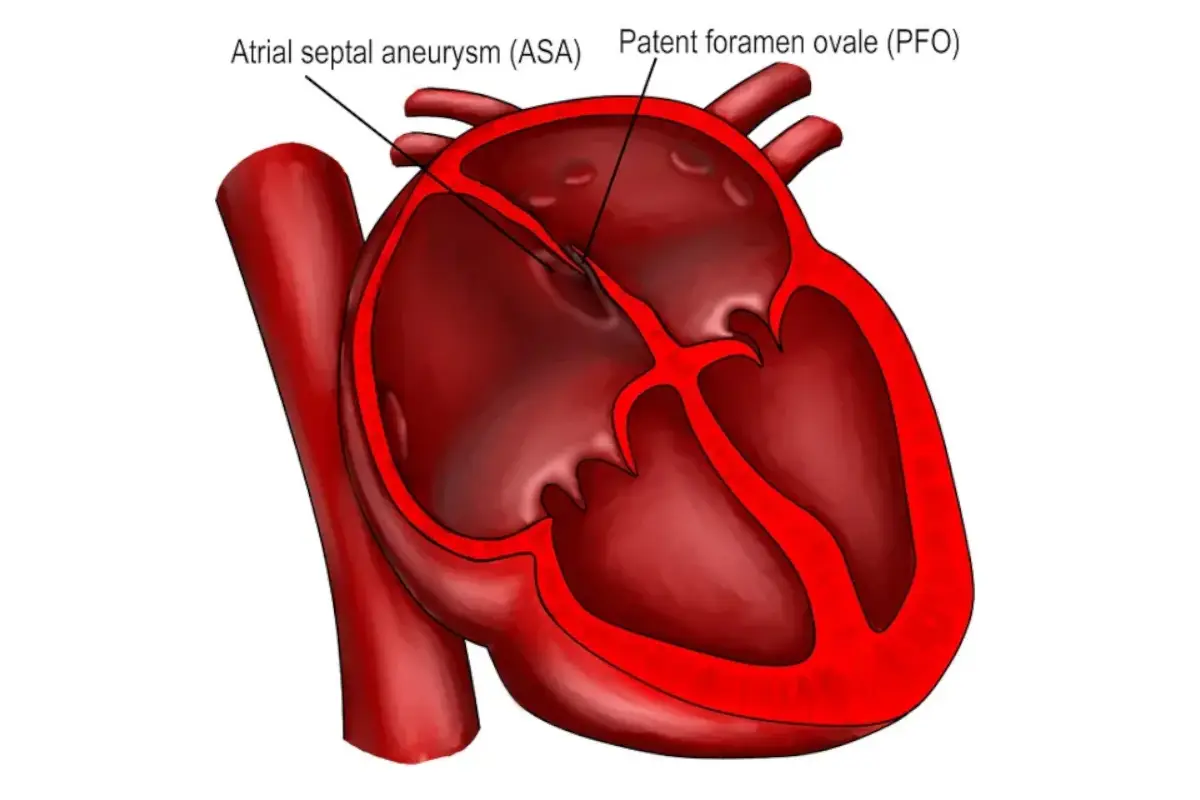
We close the small opening between heart chambers using a catheter-based device, reducing the risk of stroke and improving overall circulation.
Atrial Septal Defect Closure
This minimally invasive procedure repairs holes in the heart wall, restoring normal blood flow and preventing complications like stroke or heart failure.